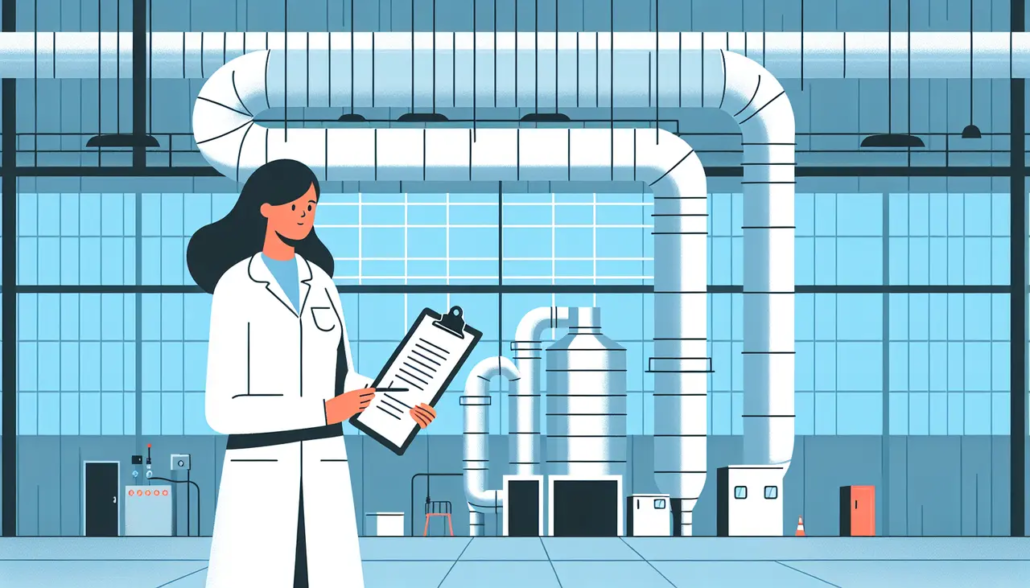
How Do Ventilation Assessments Improve Workplace Safety?
Ensuring a safe and healthy workplace is a top priority for organizations, and ventilation plays a crucial role in achieving this. With proper ventilation assessments, businesses can address indoor air quality issues, reduce the spread of contaminants, and create a more comfortable and safe environment for employees.
What is a Ventilation Assessment?
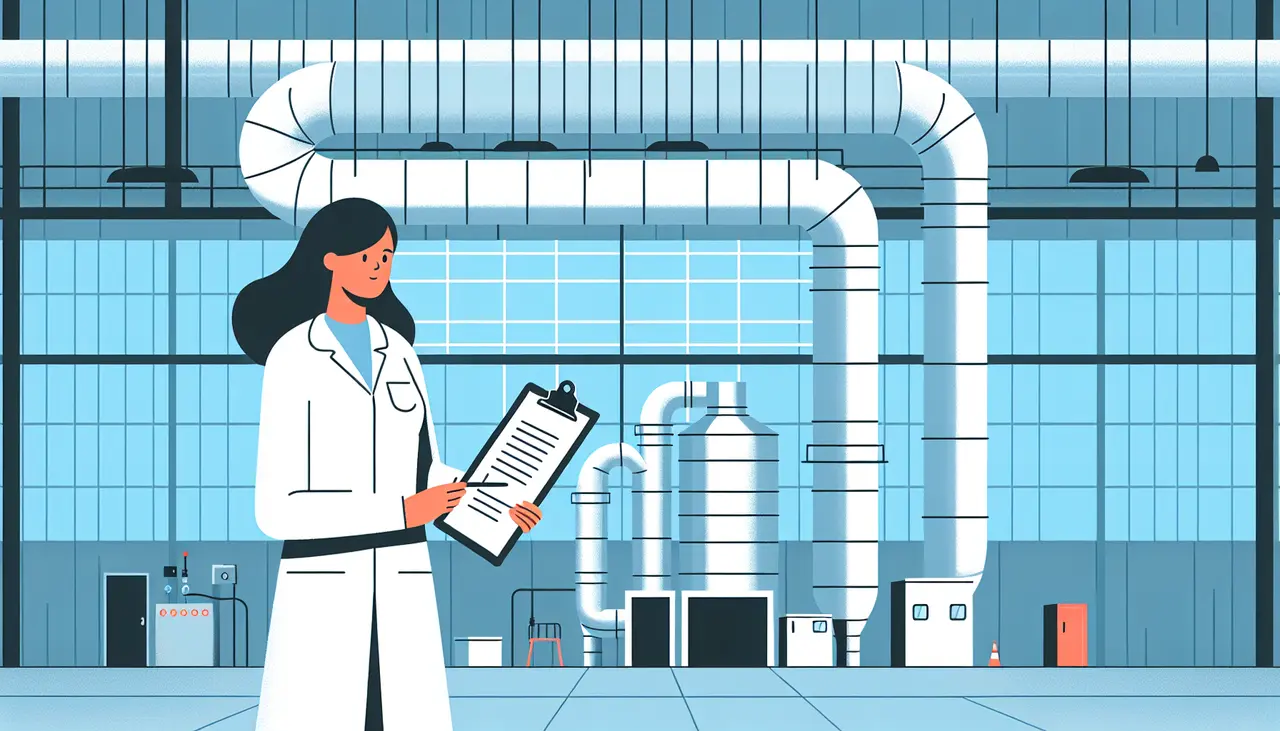
A ventilation assessment is a comprehensive evaluation of a building’s airflow system. It involves checking the efficiency and effectiveness of ventilation in removing or diluting airborne contaminants. This ensures that the air within the workspace is fresh and free from pollution.
The assessment process typically involves measuring airflow rates, examining the ventilation layout, and assessing the performance of HVAC systems. It is essential in identifying potential areas of concern, such as rooms with stagnated air or overworked ventilation units. By rectifying these issues, businesses can significantly improve indoor air quality, mitigating risks associated with poor air circulation, such as Sick Building Syndrome (SBS).
Why is Workplace Ventilation Important?
Workplace ventilation is critical as it controls indoor air quality, minimizing health risks by diluting harmful airborne substances. Effective ventilation reduces exposures to pollutants, prevents accumulation of hazardous substances, and helps in temperature regulation, which is key to maintaining a healthy and productive environment.
Ventilation’s importance was highlighted during the COVID-19 pandemic as proper air circulation became a frontline defense against the virus. OSHA safety alerts underscored the necessity of effective ventilation to mitigate airborne transmission of viruses and ensure a safer working environment.
How Are Ventilation Assessments Conducted?
Ventilation assessments are usually conducted by specialists who use various tools to measure airflow, test the efficiency of air filters, check for leaks, and evaluate system performance. The assessment includes identifying areas with poor air circulation and ensuring all parts are effectively working to promote proper ventilation throughout the workspace.
Specialists may also examine the configuration of a building’s HVAC system and confirm that air filters are providing proper filtration, particularly during colder months when viral circulation increases; a critical period for maintaining adequate indoor air quality.
What are the Benefits of a Ventilation Assessment?
Undertaking a ventilation assessment helps detect potential issues before they become serious health hazards. Benefits include improved air quality, compliance with health and safety regulations, reduced risk of airborne diseases, and increased employee comfort and productivity.
By identifying inefficiencies in the ventilation system, businesses can make necessary improvements that lead to substantial cost savings. Improved air quality significantly reduces health-related absenteeism, aiding companies in maintaining a vibrant and effective workforce.
Moreover, ventilation assessments can contribute to a reduced carbon footprint, aligning with broader environmental goals as businesses strive to implement sustainable practices that enhance workplace health and safety. Ensuring that your workforce’s air is clean and healthy contributes positively to global sustainability efforts.
Implementing Changes from Assessment Findings
Once an assessment is completed, it’s vital to implement the recommended changes, such as optimizing airflow, repairing or replacing faulty components, and regularly maintaining the ventilation system. These actions ensure long-term improvements in air quality and workplace safety.
Employers looking to enhance workplace safety should consider investing in training programs through companies like Foster Special Instruments, which offer courses on effectively using instruments vital for occupational health. Such expertise can greatly support the implementation and ongoing evaluation of workplace ventilation systems.
Embracing Ventilation Assessments for a Safer Workplace
In conclusion, conducting regular ventilation assessments is an effective way of managing and improving workplace safety. It not only addresses health risks but also complies with legal standards. By taking proactive steps, employers can ensure that their workforce remains productive and healthy. Investing in proper ventilation is indeed a step towards a safer workplace.

