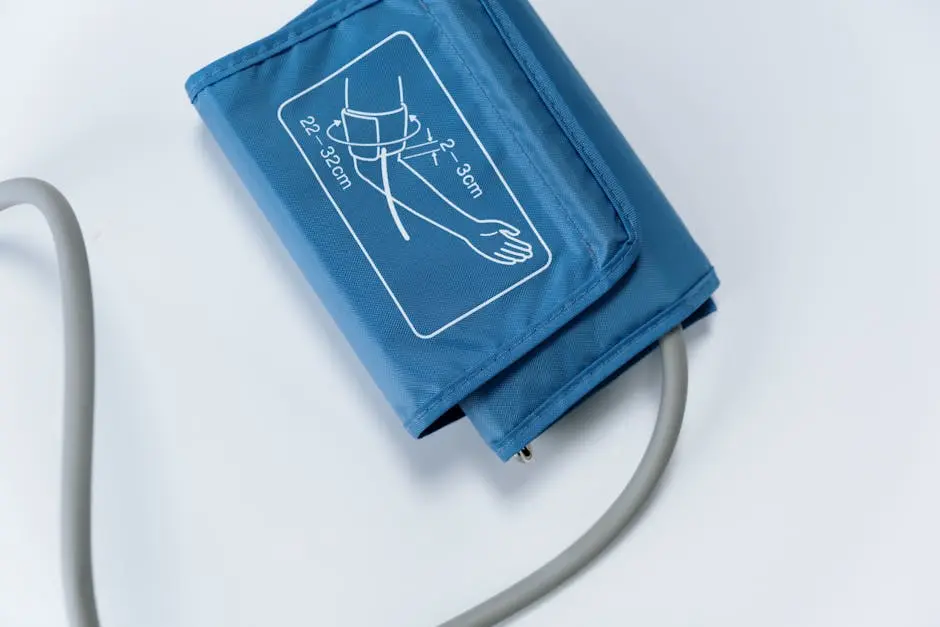
Why is Regular Calibration Important for Blood Pressure Monitors?
Regular calibration of blood pressure monitors is crucial for maintaining accurate readings and ensuring the reliability of health assessments. In this blog, we’ll explore why calibration is important and how it impacts the performance of your device.

What is Calibration?
Calibration is essentially the fine-tuning of a device to ensure that its measurements are aligned with established standards. Just like how a car needs regular check-ups to keep its engine running smoothly, medical devices, including blood pressure monitors, require periodic adjustments to maintain accuracy. This process involves comparing the readings of the monitor against a standard reference and making necessary adjustments to eliminate any discrepancies.
Routine calibration is a cornerstone of medical diagnostics, especially for devices that are employed in monitoring chronic conditions like hypertension. According to research, errors in blood pressure measurement can result in significant health impacts. Ensuring your device is well-calibrated helps mitigate these risks and guarantees reliable readings over time.
In essence, calibration upholds the integrity of data provided by blood pressure monitors, ensuring that healthcare providers are making decisions based on accurate information. This can effectuate precise treatment and management strategies tailored to each individual’s needs.
Why Do Blood Pressure Monitors Need Calibration?
Blood pressure monitors are instrumental in diagnosing and managing conditions related to cardiovascular health. Regular calibration of these devices is vital as it helps maintain their precision, thereby ensuring that the health information they provide remains reliable. Given that even minor discrepancies in readings can significantly affect clinical decisions, the accuracy of blood pressure measurements cannot be overstated.
Over time, blood pressure monitors can experience sensor drift. This natural shift occurs due to wear on the sensing elements, which can result in inaccurate readings. Such inaccuracies can lead to misdiagnosis or inappropriate treatment. For instance, a patient with slightly elevated readings might be unnecessarily treated for hypertension, or a genuinely hypertensive patient might not receive the timely intervention needed.
In keeping with medical standards, some automatic and aneroid sphygmomanometers can be prone to systemic errors if not regularly calibrated, as highlighted in various studies. Regularly recalibrated devices contribute to precise blood pressure determination, which is crucial for managing hypertension and preventing cardiovascular complications.
How Often Should You Calibrate Your Blood Pressure Monitor?
The general recommendation for device calibration is to follow the manufacturer’s guidelines and base the frequency on usage patterns. For monitors used frequently, an annual calibration check is common, while some settings might warrant semi-annual calibrations. Devices that are routinely used in clinical environments may require more frequent recalibrations to uphold their accuracy standards.
Healthcare practitioners play a pivotal role in ensuring devices remain in optimal working condition. For instance, regular in-house checks are advocated to maintain the integrity of equipment like sphygmomanometers. According to PubMed, checked devices contribute significantly to reducing misdiagnoses associated with blood pressure readings, thereby facilitating better healthcare outcomes.
Signs Your Blood Pressure Monitor Needs Calibration
A crucial sign that your monitor might need recalibration is the occurrence of erratic readings, especially when measurements noticeably differ from those obtained by healthcare providers. Such deviations highlight potential calibration needs, warranting attention to maintain the device’s reliability.
Prolonged usage without periodic checks and unexplained fluctuations in readings can further signal the need for recalibration. Regular device inspections can help identify potential sensor drifts or mechanical faults, ensuring the monitor’s accuracy is not compromised over time.
Factors such as environmental conditions, including humidity and temperature fluctuations, can also influence calibration. Devices that have been exposed to such extremes or have been used extensively might require attention, prompting a visit to an accredited calibration service to ensure they retain their reliability.
How to Calibrate Your Blood Pressure Monitor
Calibrating a blood pressure monitor often requires professional intervention, particularly for devices that do not feature automatic calibration. The process typically involves using standard equipment to compare and fine-tune the device’s readings. In some cases, dry gas or wet bath calibration methods might be utilized, depending on the specific requirements of the instrument.
For those seeking to have in-house expertise, enrolling in training programs can be invaluable. Such programs equip users with the necessary skills not only to operate these devices but also to understand the essence of proper maintenance and calibration. By ensuring your staff is well-trained, you can maintain the highest standards of accuracy within your facility and foster safe, compliant practices.
Ensuring Accurate Health Assessments
Regular calibration of blood pressure monitors is a simple yet essential practice for ensuring accurate and reliable readings. By understanding the importance of calibration, following recommended calibration intervals, and knowing how to spot signs that your monitor may need recalibration, you can take control of your health assessments with confidence. If you’re looking for top-quality equipment, consider exploring our leading product range that ensures superior performance and reliability.

