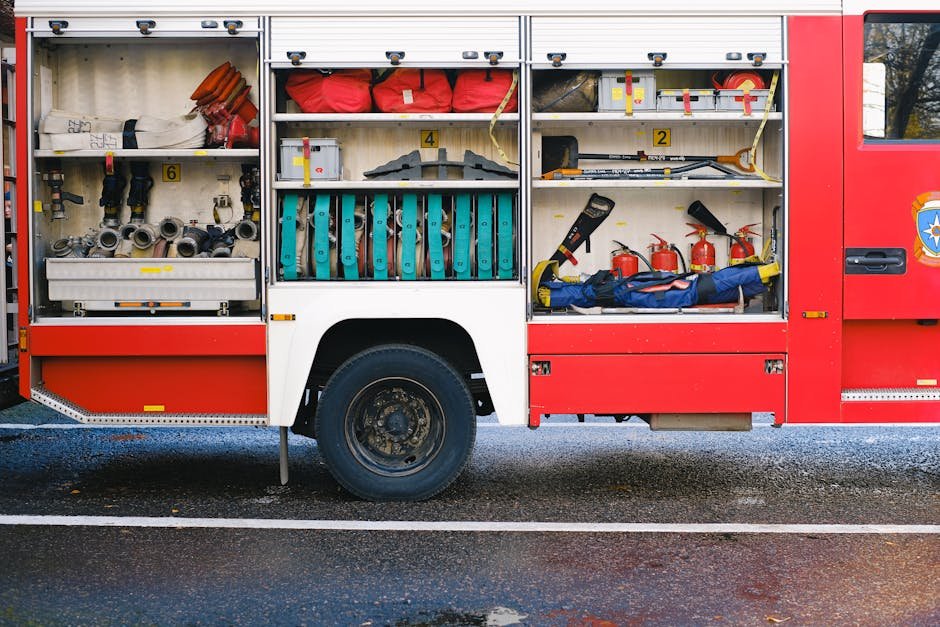
How Often Should Emergency Equipment Be Tested for Accuracy?
In the critical moments of an emergency, the reliability of your emergency equipment can be the thin line between chaos and safety. But how often should this lifesaving equipment be tested to ensure its accuracy?

Understanding the Importance of Emergency Equipment Maintenance
Emergency equipment, from fire extinguishers to defibrillators, plays a pivotal role in response efforts during crises. The maintenance of such equipment is not just about compliance with regulatory standards; it’s about ensuring functionality when seconds count. Regular testing helps identify potential malfunctions or degradations in performance, thus preventing equipment failure during actual emergencies.
Moreover, routine checks and maintenance serve as reassurance to occupants and personnel that safety measures are in place and ready to operate. This not only bolsters confidence but also enhances the overall safety culture within an organization or facility.
Regulatory Standards for Testing Emergency Equipment
Regulatory bodies such as OSHA, NFPA, and ANSI set forth guidelines and standards for the periodic testing of emergency equipment. For example, the NFPA 10 standard stipulates annual testing for fire extinguishers, while OSHA’s guidelines require regular inspections of all emergency equipment to ensure it’s in operable condition.
These regulations are not just arbitrary rules but are designed based on historical data, scientific research, and lessons learned from past emergencies. Adhering to these standards ensures that equipment will perform as expected in the event of an emergency.
Recommended Testing Frequencies for Different Types of Emergency Equipment
The testing frequency for emergency equipment can vary widely depending on the type of equipment and the environment in which it is used. For instance, fire extinguishers should be inspected monthly for physical damage and annually for operability. Similarly, emergency lighting systems require monthly functional tests and an annual test for full operational duration.
For life safety equipment such as smoke detectors and fire alarms, testing should be conducted at least annually, but preferably semi-annually, to ensure their sensitivity and effectiveness. Elevator emergency phones, on the other hand, should be tested monthly to verify proper connection to emergency services.
Evacuation plans and emergency exits also fall under the umbrella of emergency prepared purview, with regular drills recommended to test the plans’ effectiveness and the proper functioning of exit signs and pathway lighting.
Steps to Ensure Your Emergency Equipment is Accurate and Reliable
Implementing a comprehensive testing schedule is crucial for the reliability of emergency equipment. Start by developing a checklist based on the types of equipment in your facility and the recommended frequencies of testing. Documenting each test and its outcome is also essential for compliance and for tracking the equipment’s maintenance history.
Training personnel in proper testing procedures and the use of equipment is equally important. This ensures not only that tests are performed correctly but also that in an emergency, staff are prepared to use the equipment effectively.
Common Challenges in Maintaining Emergency Equipment and How to Overcome Them
One of the major challenges in maintaining emergency equipment is ensuring that testing schedules are adhered to amidst the day-to-day demands of running a facility. Automating reminders or utilizing maintenance management software can help keep track of testing dates and requirements.
Obsolescence of equipment poses another challenge, especially with rapid technological advancements. Regularly reviewing and updating equipment to meet current standards is vital for maintaining an effective emergency response capability.
Lastly, budget constraints can limit the ability to replace outdated or malfunctioning equipment. Prioritizing the update and maintenance of critical equipment within budget planning is essential for overcoming this hurdle.
The Essence of Regular Testing
Regular testing is more than a procedural mandate; it’s a cornerstone of safety and preparedness. By adhering to recommended frequencies and adapting to technological advancements, we ensure our emergency equipment remains a reliable guardian in times of need. As we’ve explored, the essence of testing is not in the act itself but in the peace of mind and security it provides.

