Ensuring Workplace Safety: The Importance of Fit Testing Supplies
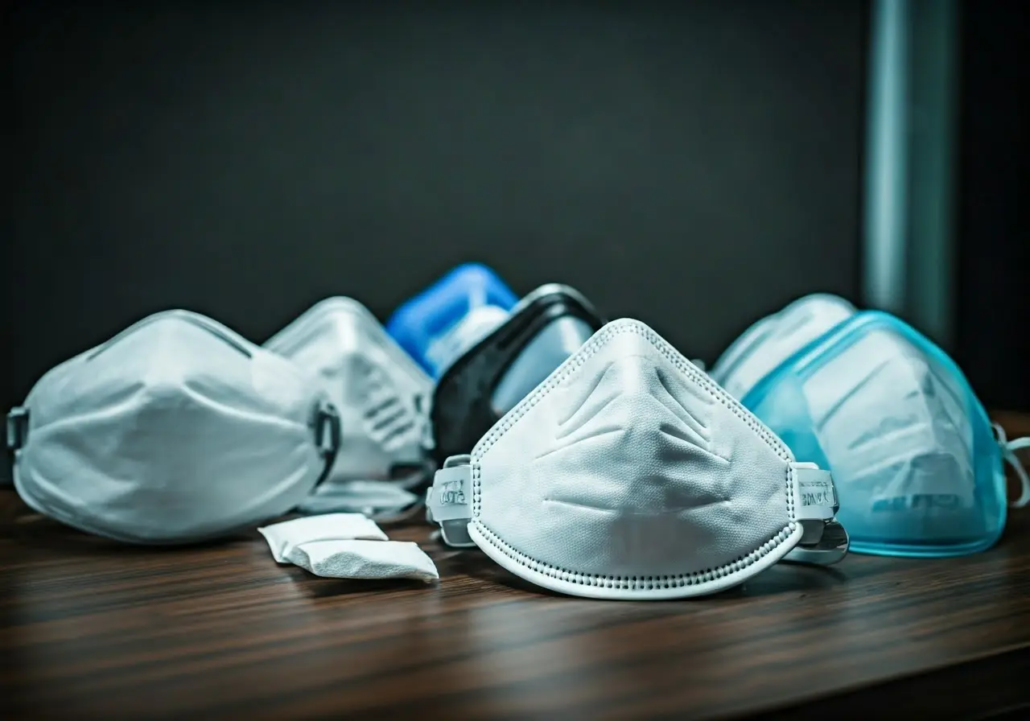
Workplace safety is a paramount concern for businesses, especially those in industries where employees are exposed to hazardous materials or environments. One crucial aspect of ensuring safety is fit testing, which verifies that personal protective equipment (PPE) such as respirators fits the user correctly. In this blog, we’ll delve into why fit testing supplies are so important and how they contribute to maintaining a safe and healthy workplace.
What are Fit Testing Supplies?
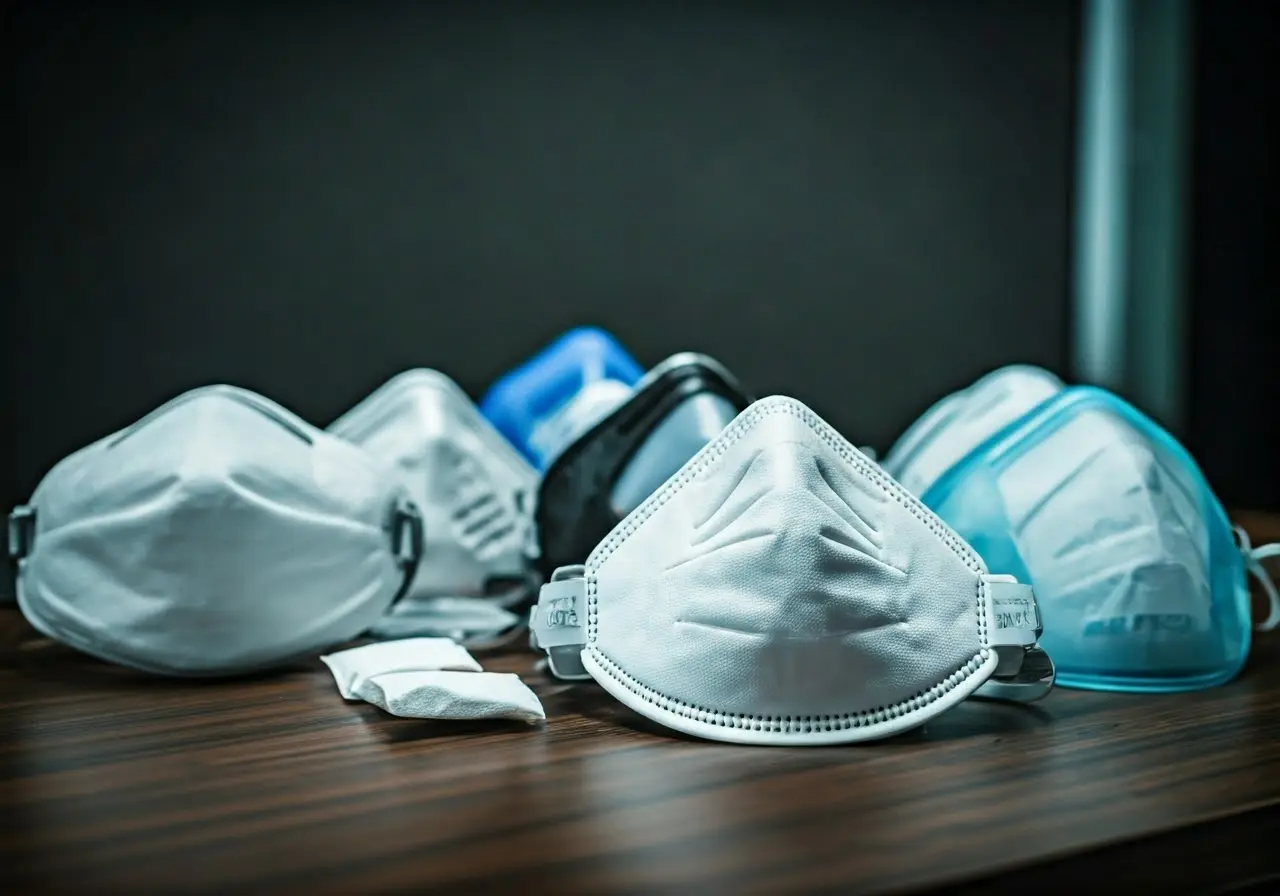
Fit testing supplies refer to the equipment and tools used to ensure that personal protective equipment (PPE), like respirators, properly fits the user. These supplies can include fit test kits, adapters, probes, and software designed to conduct qualitative and quantitative fit tests.
The main objective of fit testing supplies is to either qualitatively or quantitatively assess the seal and fit of the PPE on the wearer’s face. For instance, fit test kits are often accompanied by specialized sprays or test agents that help determine if there are any leakages when the respirator is worn. In contrast, quantitative fit testing equipment may consist of electronic devices that precisely measure the amount of leakage. These diverse tools are essential in ensuring that the PPE is functioning correctly and offering the intended level of protection.
Additionally, fit testing supplies need to meet specific regulatory standards that ensure their effectiveness. Depending on the industry and the type of contaminant workers are exposed to, the range of supplies required for fit testing can vary. For instance, healthcare workers dealing with infectious diseases might need different kinds of fit testing kits compared to construction workers exposed to dust and fumes. This adaptability makes fit testing supplies a critical component in various industries.
Modern advancements have also introduced software tools that can automate and streamline the fit testing process. Such software can help organizations record, analyze, and manage fit test results, providing a seamless way to maintain compliance and ensure ongoing workplace safety. With these tools, it’s easier than ever for businesses to implement rigorous fit testing protocols without adding significant administrative burdens.
The Importance of Proper Fit for PPE
A properly fitting respirator or mask ensures that harmful particles do not bypass the protective barrier and reach the user. This is especially critical in environments with airborne contaminants, where even a small gap can result in significant exposure.
Furthermore, a good fit not only protects against immediate hazards but also contributes to long-term health. Prolonged exposure to hazardous substances, even in small amounts, can have severe health implications. For example, workers in industries dealing with harmful chemicals, toxic fumes, or infectious agents can suffer from chronic respiratory issues if their PPE does not fit correctly. Hence, the importance of regularly using fit testing supplies cannot be emphasized enough.
Comfort is another key aspect tied to the proper fit of PPE. When PPE fits well, it is more likely to be worn correctly and consistently by employees. Ill-fitting equipment can cause discomfort, leading workers to adjust or remove it frequently, which compromises safety. By ensuring a proper fit, businesses can enhance the overall compliance and comfort of their workforce.
In addition, fit testing provides a level of reassurance to employees. Knowing that their safety gear has been tested for optimal fit can boost their confidence and morale, leading to a more productive and focused work environment. Employees are more likely to perform their tasks effectively when they feel safe and protected.
Overall, using fit testing supplies to secure the proper fit of PPE is an essential practice. It is a proactive approach to workplace safety that benefits both the employer and the employees, ensuring a safer, healthier work environment.
Different Types of Fit Testing Methods
There are two main types of fit testing methods: qualitative and quantitative. Qualitative fit testing relies on the user’s sensory detection to identify leaks, while quantitative fit testing uses sophisticated equipment to measure the amount of leakage around the facepiece.
Qualitative fit testing is often more straightforward and cost-effective. This method typically involves a series of sensory evaluations where the wearer detects the presence of a test agent. Substances like saccharin, isoamyl acetate (banana oil), or Bitrex can be used to see if they can be tasted, smelled, or causing any irritation. If the user can detect the test agent inside the mask, it indicates a poor fit and the need for adjustment or a different model of PPE.
Quantitative fit testing, on the other hand, offers a more precise and data-driven approach. This method uses specialized equipment like a PortaCount, which measures the exact amount of particles getting through the seal of the respirator. By generating a numerical fit factor, quantitative fit testing provides a measurable and reproducible way to verify the effectiveness of the PPE. This method is particularly useful in environments where an accurate fit is critical to the health and safety of the workers.
Both methods have their specific uses and advantages, and the choice between qualitative and quantitative fit testing may depend on the specific industry requirements, the type of PPE, and the level of risk associated with the work environment. While qualitative testing might be ideal for regular check-ups and initial screenings, quantitative fit testing can offer a higher level of assurance for more hazardous and regulated environments.
To ensure thorough protection, many employers opt for a combination of both fit testing methods. This hybrid approach can leverage the strengths of each method, ensuring that the PPE fits well under different conditions and meets all regulatory standards. It shows a robust commitment to employee safety and continuous improvement in workplace safety protocols.
How Often Should Fit Testing Be Conducted?
Fit testing should be conducted at least annually to ensure continuous protection. However, tests should also be performed whenever there are changes to the type of respirator, the user’s physical condition, or other factors that might affect the fit.
Routine annual fit testing is essential to confirm that the PPE still provides adequate protection. Over time, various factors could alter the fit of the PPE, such as facial hair growth, weight changes, or even normal wear and tear on the equipment. By scheduling regular tests, employers can detect these changes early and take corrective action as needed.
Additionally, any changes in the make or model of the respirator necessitate a new fit test. Different respirators have unique designs and sizes that might fit differently on the same individual. Prior to rollouts of new PPE, conducting fit tests ensures that all employees are adequately protected with the equipment tailored to their specific needs.
It’s also important to consider situations where an employee’s physical condition has changed. For example, significant dental work, facial surgeries, or major weight fluctuations can all impact the previously established fit. In such cases, re-evaluating the fit ensures that the PPE still provides the necessary level of protection.
Choosing the Right Fit Testing Supplies
Selecting the appropriate fit testing supplies depends on the specific needs of a workplace. Factors to consider include the type of PPE used, regulatory requirements, and the reliability and accuracy of the testing equipment.
Firstly, identifying the type of PPE in use is fundamental to choosing the right fit testing supplies. Respirators, masks, and other protective gear might require different testing methods and equipment. Understanding the specific requirements of your PPE helps in narrowing down the options for testing supplies to those that offer the most accurate and reliable results.
Regulatory requirements also play a significant role in the selection process. Different industries are governed by varying regulations regarding fit testing, based on the nature of the hazards involved. Compliance with standards set by organizations such as OSHA (Occupational Safety and Health Administration) or NIOSH (National Institute for Occupational Safety and Health) is critical. Ensuring that the fit testing supplies meet these regulatory requirements guarantees adherence to legal norms and enhances workplace safety.
Reliability and accuracy are equally important considerations. High-quality fit testing equipment provides precise and consistent results, reducing the risk of user error and ensuring that safety standards are upheld. Employers should invest in supplies that offer durability, ease of use, and accuracy, aiming to provide effective protection for their workforce.
Lastly, it’s essential to consider the ease of integration and use of the fit testing supplies. Equipment that is too complex or cumbersome can hinder the testing process or result in inconsistent outcomes. Tools and software that can be easily managed and quickly executed can streamline fit testing procedures, ensuring that tests are conducted effectively and regularly without consuming excessive time and resources.
The Critical Role of Fit Testing Supplies in Workplace Safety
Fit testing supplies are an essential component of workplace safety. By ensuring that PPE fits correctly, businesses can protect their employees from potential hazards and maintain a safe working environment. Investing in the right fit testing supplies and conducting regular fit tests can go a long way in safeguarding the health and well-being of the workforce.

