Why Is Emergency Equipment Crucial for Workplace Safety?
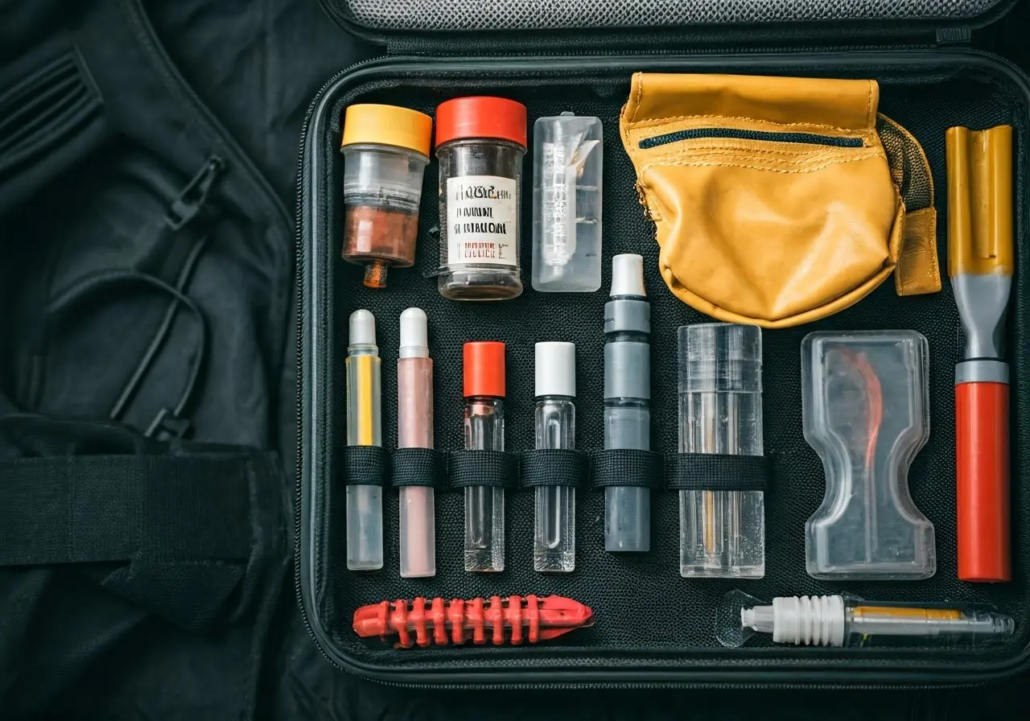
Ensuring workplace safety is a top priority for any organization. One essential aspect of maintaining a safe work environment is the presence of emergency equipment. In this blog, we’ll explore why having the right emergency equipment is crucial for workplace safety and how it helps in mitigating risks.
What is Emergency Equipment?
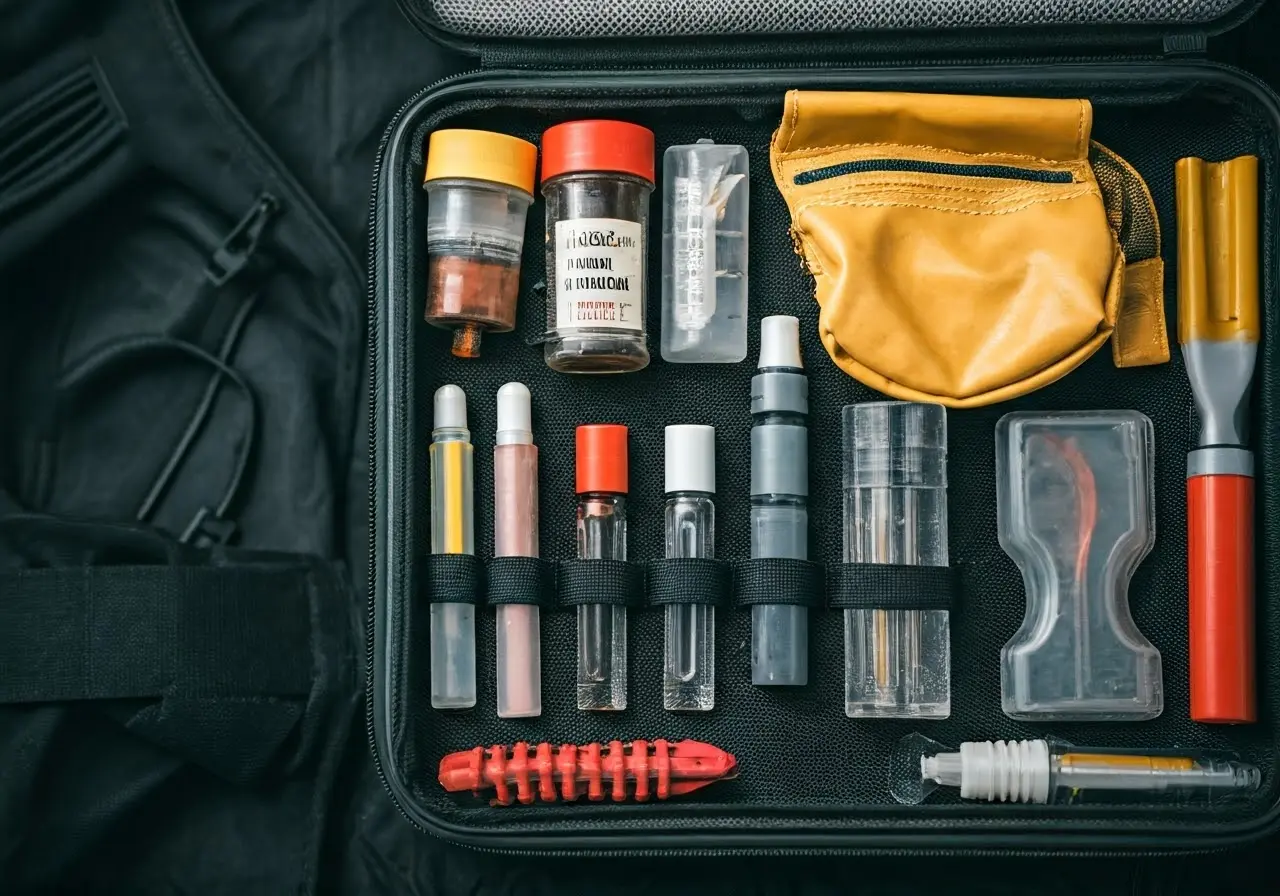
Emergency equipment refers to the tools and devices that are designed to help in the event of an emergency. This can include fire extinguishers, first aid kits, automated external defibrillators (AEDs), and emergency showers, among others.
These tools are specifically designed to tackle a wide range of emergencies, from fire outbreaks to sudden medical conditions. For instance, fire extinguishers are essential in quickly addressing small fires before they escalate into uncontrollable blazes. Similarly, first aid kits contain the necessary supplies to address minor injuries or stabilize a person until professional medical help arrives.
Moreover, automated external defibrillators (AEDs) are crucial for responding to cardiac emergencies. These devices can be used by both trained personnel and bystanders to provide life-saving shocks to individuals experiencing sudden cardiac arrest. The presence of emergency equipment like AEDs can mean the difference between life and death.
Why is Emergency Equipment Important?
Emergency equipment is crucial because it can save lives and prevent minor injuries from escalating into serious ones. It allows for a quick response to emergencies, which is essential in reducing the impact of an incident.
For example, the timely use of a fire extinguisher can prevent a fire from spreading, minimizing damage and potential injuries. Immediate access to a first aid kit can provide the necessary care for cuts, burns, or other minor injuries, preventing them from becoming more severe.
Quick access to emergency equipment also reduces the burden on emergency services. When minor incidents are managed effectively on-site, it allows professional responders to focus on more severe emergencies, ultimately creating a more efficient system for everyone.
Regulatory Requirements
Various laws and regulations require workplaces to have specific emergency equipment on site. Compliance with these regulations not only ensures legal protection but also reinforces the importance of safety in the workplace.
Organizations that fail to comply with these regulations risk facing significant fines and legal consequences. Moreover, non-compliance can lead to serious harm or fatal incidents, which can have severe repercussions for both the employer and employees.
Beyond legal obligations, adhering to safety regulations demonstrates an organization’s commitment to employee well-being. It shows that the organization values its workforce and is willing to invest in measures that ensure their safety.
Types of Emergency Equipment
Common types of emergency equipment include fire extinguishers, first aid kits, AEDs, emergency showers, and eye wash stations. Each of these serves a specific purpose in responding to different kinds of emergencies.
Fire extinguishers are perhaps the most recognized form of emergency equipment. They come in various types, each designed to combat specific kinds of fires. For example, Class A extinguishers are effective against ordinary combustibles, while Class C extinguishers are suitable for electrical fires.
First aid kits are another essential component. These kits usually contain items such as bandages, antiseptics, scissors, and burn creams. They are designed to provide immediate attention to injuries and can be customized based on the specific needs of the workplace.
Automated external defibrillators (AEDs) are critical for cardiac emergencies. These portable devices are designed to analyze the heart’s rhythm and deliver an electric shock, if necessary, to help the heart re-establish an effective rhythm.
Training and Maintenance
Having the equipment is not enough; regular training and maintenance are essential. Employees should be trained on how to use the emergency equipment, and routine checks should be conducted to ensure that all devices are in working order.
For instance, first aid training is essential for employees to effectively use the supplies within a first aid kit. Similarly, fire safety training provides guidelines on how to operate fire extinguishers properly and safely.
Maintenance is equally important. Regular inspections can identify potential issues that might render emergency equipment ineffective. For example, fire extinguishers should be checked periodically to ensure they are fully charged and in good condition.
Training programs are available to ensure employees are well-equipped to handle emergencies, further solidifying the organization’s commitment to workplace safety.
Boosting Employee Confidence
When employees know that their workplace is equipped with the necessary emergency equipment, they feel more secure and confident. This can lead to increased productivity and overall job satisfaction.
Confidence in workplace safety measures encourages employees to focus on their tasks without the nagging worry of potential hazards. It fosters a culture of safety where employees feel valued and cared for.
Knowing that an organization takes safety seriously can also enhance employee loyalty and retention. Employees are more likely to stay with an employer that demonstrates a commitment to their well-being.
Additionally, having on-site services like hearing testing and respiratory fit testing can further boost employee confidence, as these show proactivity in maintaining their health.
Final Thoughts
In conclusion, having the right emergency equipment in place is a vital component of workplace safety. It not only helps in minimizing injuries and saving lives but also ensures compliance with regulations and boosts employee confidence. Regular maintenance and training further enhance the effectiveness of emergency equipment, creating a safer work environment for everyone.

