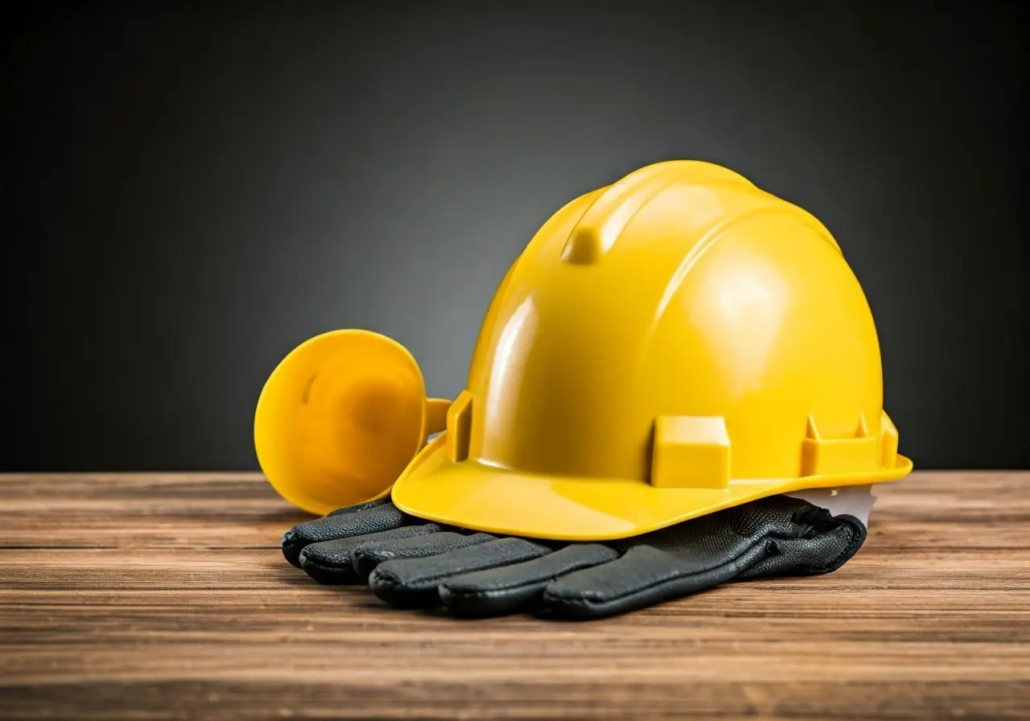
EHS Compliance: Protecting Your Employees and Your Business Future
Ensuring a safe and healthy environment for your employees is not just a legal obligation but also a cornerstone of a successful business. EHS (Environmental, Health, and Safety) compliance is a critical aspect that companies cannot afford to overlook. In this blog, we will demystify EHS compliance, explaining its importance and offering practical steps to integrate it into your business operations.
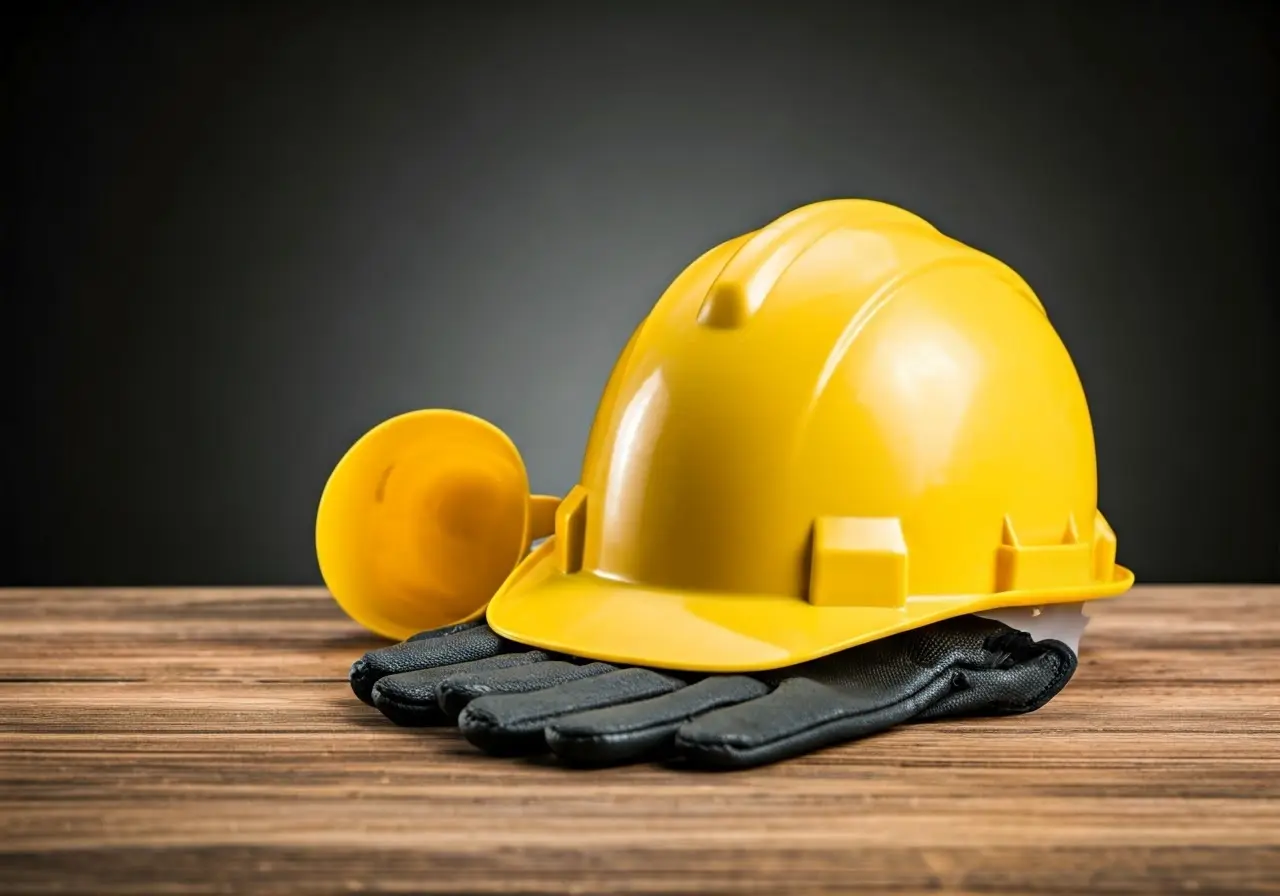
Understanding EHS Compliance
EHS Compliance refers to the adherence to environmental, health, and safety regulations set forth by relevant authorities. Understanding these regulations helps businesses prevent workplace injuries and environmental damage while fostering a culture of safety.
The foundation of EHS compliance resides in knowing the specific requirements applicable to your industry and location. These regulations can vary significantly, requiring a tailored approach. For example, factories handling hazardous chemicals face different compliance demands compared to tech companies. Despite these differences, the core objective remains the same—to mitigate risks to both employees and the environment.
To grasp EHS compliance comprehensively, businesses must stay up-to-date with evolving regulatory landscapes. Authorities regularly update guidelines to reflect new scientific findings, technological advancements, and societal expectations. Regular monitoring of these updates ensures your compliance efforts remain effective and legally sound.
Furthermore, understanding EHS compliance involves recognizing the interplay between various regulations. For instance, certain health guidelines might overlap with environmental standards, reinforcing the need for a cohesive strategy. By integrating these regulations into a unified compliance plan, businesses can streamline their efforts while enhancing safety and sustainability.
The Importance of EHS Compliance
EHS compliance is crucial for protecting employees from potential hazards, avoiding legal fines, improving company reputation, and enhancing overall efficiency. When businesses prioritize compliance, they demonstrate a commitment to the well-being of their workforce and the environment.
One of the most immediate benefits of EHS compliance is the reduction in workplace accidents. A safe work environment minimizes the risk of injuries, illnesses, and fatalities, which in turn enhances employee morale and productivity. Employees are more likely to perform optimally when they feel their well-being is prioritized.
Moreover, EHS compliance can serve as a competitive advantage. Companies known for their robust safety and environmental practices often attract top talent and forge stronger relationships with customers and partners. In today’s market, where corporate responsibility is highly valued, demonstrating adherence to EHS standards can significantly boost your business’s reputation.
Additionally, the financial implications of non-compliance can be devastating. Regulatory fines, legal costs, and potential shutdowns can cripple businesses. Therefore, investing in EHS compliance is not just a legal necessity but a strategic move to safeguard financial stability and operational continuity.
Common EHS Standards and Regulations
Several key EHS standards and regulations exist globally, often specific to industries. Familiarize yourself with rules from bodies like OSHA (Occupational Safety and Health Administration) in the USA, and ISO 14001 for environmental management, among others.
OSHA regulations cover a broad spectrum of workplace safety issues, including exposure to toxic chemicals, machinery safety, and emergency preparedness. Ensuring compliance with OSHA standards is fundamental in creating a safe working environment. Regular inspections and adherence to OSHA guidelines can help businesses avoid penalties and ensure the well-being of employees.
ISO 14001, on the other hand, focuses on environmental management systems. This international standard sets out criteria for organizations to reduce their environmental footprint through systematic processes. Compliance with ISO 14001 not only meets regulatory requirements but also enhances corporate sustainability initiatives, aligning business operations with global environmental goals.
In addition to OSHA and ISO standards, many industries are governed by specific regulations. For example, the construction sector adheres to the Construction (Design and Management) Regulations, while the chemical industry follows REACH (Registration, Evaluation, Authorisation, and Restriction of Chemicals) in Europe. Understanding and integrating these specific regulations is vital for comprehensive EHS compliance.
Steps to Implement EHS Compliance in Your Business
Implementation involves conducting risk assessments, providing training and resources, establishing clear procedures, and performing regular audits. Leadership should promote a safety culture to ensure all employees understand the importance of compliance.
The first step in implementing EHS compliance is to conduct a thorough risk assessment. Identify potential hazards in your workplace, assess the likelihood of these risks, and outline measures to mitigate them. This process should be ongoing, with regular reviews to address emerging threats and changing conditions.
Training and resource allocation are equally important. Employees should receive regular training on EHS compliance, tailored to their specific roles and responsibilities. Providing access to safety equipment, informational materials, and support channels empowers employees to maintain compliance actively.
Clear and well-documented procedures form the backbone of EHS compliance. Develop standard operating procedures (SOPs) that outline safety protocols, emergency response plans, and environmental management practices. Ensure these SOPs are easily accessible and regularly updated to reflect current regulations and best practices.
Regular audits and inspections are crucial for maintaining compliance. Periodic evaluations help identify gaps in your EHS strategies, allowing for timely corrective actions. Engage external auditors for an unbiased review and leverage their insights to enhance your compliance framework continuously.
Leadership plays a pivotal role in fostering a culture of safety and compliance. Management should lead by example, demonstrating a commitment to EHS standards. Encourage open communication and feedback, allowing employees to report concerns or suggest improvements without fear of reprisal. This proactive approach ensures everyone in the organization is aligned with EHS goals.
Training and Educating Your Employees
Effective EHS compliance hinges on the education and empowerment of your employees. Regular training sessions, accessible resources, and open communication channels can help employees stay informed and involved in maintaining a safe and healthy work environment.
Training should encompass a range of topics, from basic safety protocols to advanced environmental management techniques. Start with general safety training for all employees, then provide additional sessions tailored to specific roles. This tiered approach ensures that everyone has a solid foundation while addressing the unique risks associated with different job functions.
In addition to formal training sessions, create a culture of continuous learning. Distribute informational materials such as safety bulletins, newsletters, and online resources regularly. These materials can highlight recent regulatory updates, best practices, and case studies, keeping employees aware of the latest developments in EHS compliance.
Open communication channels are vital. Establish platforms where employees can easily report hazards, share safety concerns, and suggest improvements. Encourage a collaborative environment where feedback is valued and acted upon promptly. This approach not only enhances compliance but also fosters a sense of ownership and responsibility among employees.
Mentorship programs can further bolster EHS training efforts. Pair new employees with experienced mentors who can guide them through safety procedures and compliance best practices. This hands-on approach helps new hires acclimate quickly and reinforces a culture of safety and compliance throughout the organization.
Maintaining Ongoing EHS Compliance
EHS compliance is not a one-time task but an ongoing process. Continuous monitoring, updating protocols based on new regulations, and fostering a responsive safety culture are essential for maintaining compliance over the long term.
Continuous monitoring involves regular inspections and assessments to ensure compliance measures are effective. Use a mix of internal audits and third-party evaluations to gain comprehensive insights into your EHS performance. These audits should be structured to uncover potential risks and provide actionable recommendations for improvement.
Staying informed about regulatory updates is crucial for ongoing compliance. Regulatory bodies frequently update their standards to address emerging issues and integrate new research findings. Assign a compliance officer or team to monitor these changes and integrate them into your EHS protocols. This proactive approach ensures your business remains compliant and ahead of regulatory requirements.
Fostering a responsive safety culture is about more than just following rules—it’s about cultivating an environment where safety is a shared responsibility. Encourage employees at all levels to take ownership of EHS compliance. Promote initiatives that recognize and reward proactive safety behaviors, creating positive reinforcement for adherence to safety practices.
Lastly, leverage technology to support your compliance efforts. EHS management software can streamline data collection, reporting, and analysis. These tools provide real-time insights into your compliance status, facilitating prompt decision-making and enhancing overall efficiency. By integrating such technologies, businesses can maintain high standards of EHS compliance while reducing administrative burdens.
Commit to EHS Compliance for a Brighter Future
EHS compliance is an ongoing commitment that requires attention, resources, and a proactive approach. By prioritizing the well-being of your employees and adhering to EHS standards, you not only safeguard your workforce but also secure the future of your business. Remember, a safe and healthy workplace is a productive one, and compliance today paves the way for a more sustainable and successful tomorrow.

