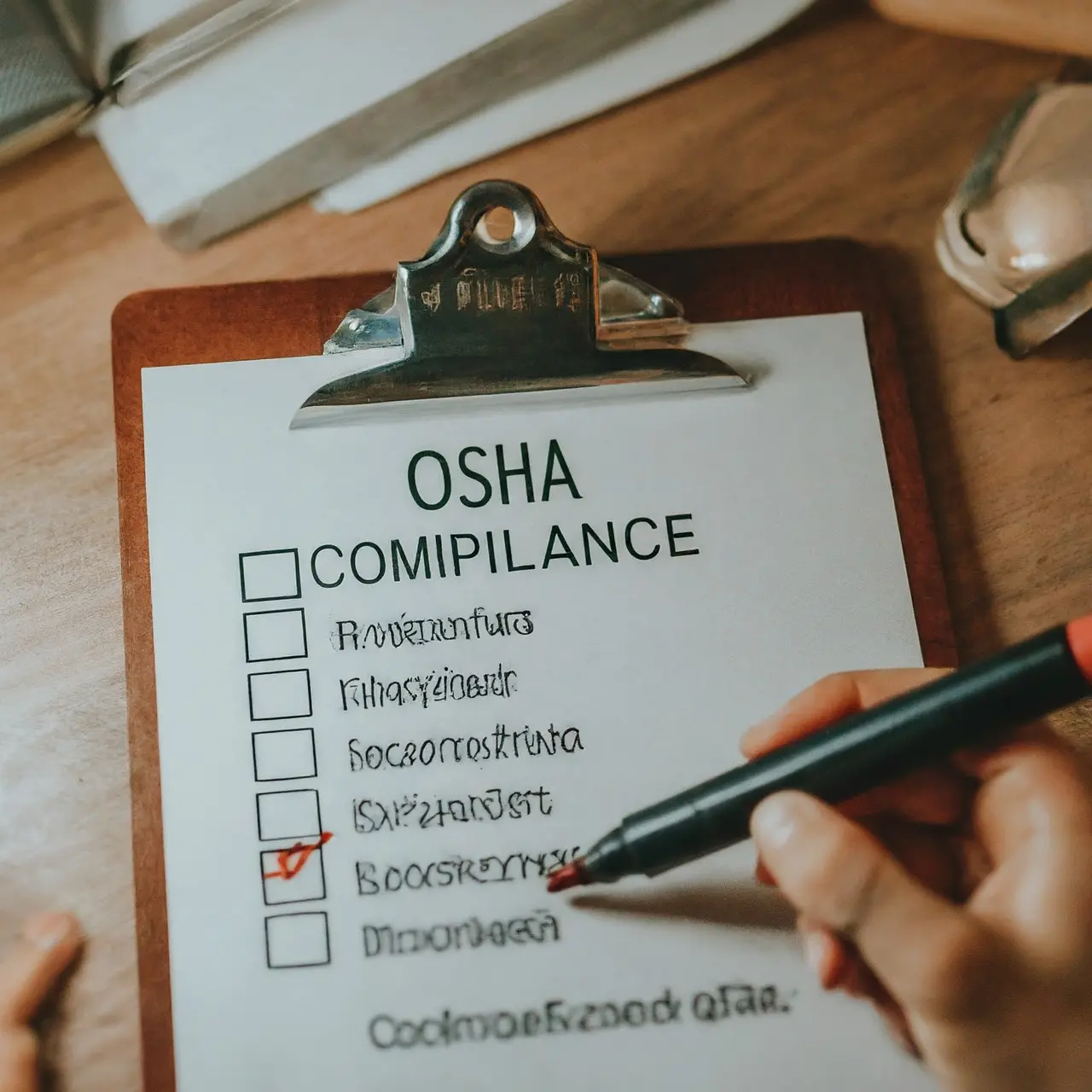
What Are the Consequences of Not Meeting OSHA Compliance?

Navigating the landscape of OSHA compliance can be daunting for businesses, yet understanding its implications is crucial. This blog aims to demystify the consequences of not adhering to OSHA regulations, employing a simple and engaging style to ensure you’re well-informed and prepared.
Introduction to OSHA Compliance

OSHA, or the Occupational Safety and Health Administration, sets and enforces standards aimed at ensuring safe and healthful working conditions. Compliance with these regulations is not optional; it’s a fundamental duty. Let’s explore what it entails and why it’s pivotal for businesses of all sizes.

Imagine OSHA as a guardian angel for workers, but instead of wings, it wields a comprehensive set of guidelines that cover everything from proper ventilation to emergency exits. These rules might seem overwhelming, but they serve a common purpose: keeping workplaces safe and preventing injuries or worse.

Financial Penalties for Non-Compliance

The immediate consequence that often hits businesses like a cold splash of water is financial penalties. These fines can be hefty, easily reaching thousands, if not tens of thousands, of dollars for violations. They’re designed to be a deterrent, echoing the seriousness of disregarding workplace safety.

Further, these fines are not a one-size-fits-all but vary based on the severity and nature of the violation. OSHA’s penalty structure is tiered, meaning the more serious the infraction, the heavier the fine. This scaling approach underscores the agency’s commitment to worker safety above all.

Operational Disruptions and Remediation Costs

Fines are just the tip of the iceberg. Non-compliance can lead to operational disruptions, where businesses may be required to halt operations until compliance is achieved. This pause can lead to lost productivity and revenue that far exceed the initial cost of compliance.

Moreover, remediation costs to correct the violations can be extensive, requiring businesses to invest in new equipment, training, or even structural changes. These expenses, coupled with the operational downtime, paint a clear picture: compliance is invariably less costly than non-compliance.

Legal Implications and Liability Issues

The legal ramifications of failing to meet OSHA standards can extend beyond fines into lawsuits and worker’s compensation claims. These issues not only strain business resources but can also lead to disabling injuries or loss of life, complicating the legal and ethical landscape further.

Businesses found in violation of OSHA regulations may find themselves embroiled in litigation, facing claims that could have been avoided through adherence to safety guidelines. This highlights the importance of proactive compliance efforts in protecting both employees and the financial health of the company.

Impact on Employee Morale and Retention

Employee morale can take a significant hit in unsafe work environments, where workers feel undervalued and at risk. This atmosphere can lead to high turnover rates, difficulty in attracting skilled labor, and decreased productivity, affecting the overall health of the organization.

In stark contrast, a commitment to OSHA compliance can boost morale, showing employees they are valued. This enhances retention rates and attracts talent, underscoring the far-reaching benefits of creating a safe and healthful workplace.

Reputational Damage and Loss of Business

In our digital age, news of non-compliance and the consequences thereof can spread rapidly, causing irreparable damage to a business’s reputation. Customers and partners are increasingly making decisions based on a company’s commitment to safety and ethical practices.

A tarnished reputation can lead to loss of current and potential business, as trust erodes and stakeholders choose to dissociate from brands that do not prioritize safety. This intangible yet pivotal asset, once lost, can be challenging to rebuild.

Tips for Maintaining OSHA Compliance

Maintaining compliance begins with a thorough understanding of the applicable OSHA standards. Regular training, safety audits, and engaging employees in safety practices are foundational steps in this direction.

Leverage resources such as OSHA’s consultation services, which can help identify and rectify potential violations before they become issues. Creating a culture that prioritizes safety not only ensures compliance but also fosters a resilient and productive work environment.

Protect Your Business and Employees

In conclusion, the consequences of not meeting OSHA compliance range from monetary fines to severe legal actions, not to mention the potential harm to your employees and damage to your business’s reputation. Staying informed and proactive in your compliance efforts is essential for the safety and well-being of everyone involved.

The Top 12 Trends Impacting EHS Compliance in 2023

As we step into 2023, the landscape of Environmental, Health, and Safety (EHS) compliance is rapidly evolving. From technological advancements to regulatory updates, it’s crucial for businesses to stay ahead of the curve. Let’s dive into the top trends that are shaping the world of EHS compliance this year, explained in a simple and engaging way.

1. Increased Emphasis on Sustainability

Sustainability is no longer a buzzword but a vital component of EHS compliance in 2023. Companies are moving beyond traditional environmental compliance to embrace sustainable practices that reduce waste, conserve resources, and minimize carbon footprints. This shift reflects not just regulatory pressures but also growing consumer and investor expectations for environmental stewardship.

As businesses invest in green technologies and sustainable workflows, they’re discovering that eco-friendly practices can also be cost-effective. From reducing energy consumption to recycling materials, companies are finding ways to protect the planet while boosting their bottom lines. This win-win scenario is pushing sustainability to the forefront of EHS compliance strategies.

2. Greater Integration of Technology

Technology is revolutionizing EHS compliance, offering tools and systems that streamline reporting, monitoring, and managing environmental, health, and safety data. This year, we’re seeing an uptick in the adoption of software platforms that not only simplify compliance tasks but also provide valuable insights for decision-making. From cloud-based systems to mobile apps, technology is making EHS compliance more accessible and actionable than ever before.

3. Rising Demand for Transparency

In today’s digital age, information is readily available at our fingertips, bringing a rising demand for transparency in all sectors, including EHS compliance. Stakeholders, from consumers to investors, are demanding greater visibility into company operations, specifically regarding environmental impacts and safety practices. This shift is driving organizations to be more upfront about their EHS activities, challenges, and accomplishments.

4. Shifts in Regulatory Landscapes

Regulatory landscapes worldwide are in a constant state of flux, presenting a significant challenge for EHS compliance. In 2023, we can expect to see new and updated regulations focusing on a wide range of issues, from carbon emissions to workplace safety. Staying ahead of these changes requires a proactive approach, with companies needing to monitor legislative developments closely and adapt their compliance strategies accordingly.

5. Focus on Mental Health and Well-being

Mental health is taking center stage in EHS compliance, reflecting a broader recognition of its importance to overall well-being. Organizations are increasingly integrating mental health initiatives into their EHS programs, offering resources and support for employees dealing with stress, anxiety, and other mental health challenges. This holistic approach to health and safety underscores the fact that mental well-being is just as crucial as physical safety in the workplace.

6. Adaptation to Climate Change

Climate change is a global challenge that’s influencing EHS compliance strategies in profound ways. Companies are now factoring in climate risks when developing their EHS programs, from assessing the impact of extreme weather on operations to reducing greenhouse gas emissions. This trend underscores the critical need for businesses to be adaptable and forward-thinking in their approach to environmental compliance and sustainability.

7. Advancements in Data Analytics

Data analytics is becoming a cornerstone of effective EHS compliance, providing the insights needed to make informed decisions and drive improvements. By leveraging data, companies can identify trends, predict risks, and measure the effectiveness of their EHS initiatives. This ability to turn data into actionable intelligence is transforming how organizations approach compliance, leading to more efficient and effective EHS programs.

8. Increasing Use of Artificial Intelligence

Artificial Intelligence (AI) is set to play a pivotal role in EHS compliance, automating routine tasks, and uncovering insights that can lead to better safety and environmental outcomes. From predictive analytics to machine learning algorithms, AI technologies are helping businesses anticipate and mitigate EHS risks before they escalate. The use of AI in EHS compliance is not only improving efficiency but also enhancing the effectiveness of safety and environmental programs.

9. Renewed Focus on Employee Training

Effective EHS compliance hinges on well-trained employees who understand their roles in upholding safety and environmental standards. In 2023, we’re seeing a renewed emphasis on comprehensive and ongoing training programs that equip employees with the knowledge and skills they need to navigate the complexities of EHS compliance. From digital training modules to interactive workshops, innovative approaches to employee education are becoming a hallmark of successful EHS programs.

10. Enhanced Supply Chain Visibility

As global supply chains become more intricate, achieving EHS compliance across all operations is becoming more challenging. Enhanced visibility into supply chain practices is emerging as a key trend, enabling companies to ensure that their suppliers and partners comply with environmental, health, and safety standards. By leveraging technology and adopting transparent practices, businesses can mitigate risks and promote sustainability throughout their supply chains.

11. Growing Importance of Circular Economy

The circular economy is gaining traction as a strategic approach to sustainability and EHS compliance. By embracing circular economy principles, companies can minimize waste and make the most of resources, leading to more sustainable and efficient operations. This trend is driving a reevaluation of how products are designed, used, and recycled, ultimately contributing to a more sustainable future.

12. Evolving Role of EHS Professionals

The role of EHS professionals is evolving in response to these diverse trends. Beyond ensuring compliance, they are now expected to be strategists, technologists, and communicators who can lead their organizations through the complexities of today’s EHS landscape. This shift reflects the growing recognition of the importance of EHS compliance not just as a regulatory requirement but as a strategic asset for sustainable, profitable operations.

5 Steps to Ensure Your Emergency Equipment Meets OSHA Standards

When disaster strikes, the readiness of your emergency equipment can make all the difference. Ensuring compliance with OSHA standards is not just about ticking checkboxes—it’s about safeguarding lives.
Equipment in Fire Engine

1. Conduct a Comprehensive Risk Assessment

The first and perhaps the most crucial step in ensuring your emergency equipment meets OSHA standards is conducting a detailed and thorough risk assessment. This involves identifying potential hazards within the workplace that could result in emergencies or disasters. It is essential to consider all types of emergencies, from fires and floods to chemical spills and natural disasters, to ascertain the specific types of emergency equipment needed.

The outcome of this risk assessment will directly influence the kinds of emergency equipment you’ll need to have on hand. It’s not just about having firefighting equipment; it’s about understanding the layout of your premises, the number of employees, and specific risks associated with your operations. These details are vital in creating a comprehensive emergency response strategy.

2. Understand and Implement OSHA Requirements

Understanding OSHA requirements is pivotal. OSHA provides detailed standards and guidelines covering the various aspects of emergency equipment, from types, maintenance standards, placement, and accessibility. Familiarize yourself with regulations related to fire extinguishers, emergency exits, alarm systems, and other emergency response tools relevant to your business.

Specifically, the OSHA 1910.157 standard provides guidelines for portable fire extinguishers, including requirements for selection, distribution, maintenance, and testing. Implementing these requirements ensures not only compliance but also enhances safety protocols within your workplace.

3. Regularly Inspect and Maintain All Equipment

Emergency equipment maintenance is not a one-time task but a continuous responsibility. Regularly scheduled inspections and maintenance are key to ensuring that all equipment is in working order. This includes checking fire extinguishers, alarm systems, emergency lighting, and other safety gear for functionality and compliance.

Scheduled maintenance should include tests for operational efficiency, checking for damages or expirations, and ensuring that all equipment is easily accessible during an emergency. Keeping maintenance records is also critical, as it provides documentation of compliance with OSHA standards.

4. Provide Proper Training to Employees

Having the right emergency equipment is just one part of the equation. Equally important is ensuring that employees are properly trained to use this equipment efficiently. Training should cover operation procedures for emergency tools, evacuation routes, and emergency response strategies.

OSHA recommends that training sessions be conducted regularly to keep all employees abreast of their roles and responsibilities during an emergency. This training ensures that in the event of an actual emergency, your workforce is not only protected by the right equipment but is also prepared to respond appropriately.

5. Establish a Clear Emergency Response Plan

A clear and detailed emergency response plan is essential for ensuring a coordinated response to any emergency. This plan should outline procedures for reporting emergencies, evacuating the premises, and using emergency equipment. It is critical that the plan is tailored to the specific risks identified during the risk assessment and takes into account the layout of the premises and the presence of any special hazards.

The emergency response plan should be regularly reviewed and updated to reflect any changes in the workplace or regulations. Additionally, conducting drills can help identify any gaps in the emergency preparedness efforts and provide an opportunity for employees to practice their roles during an emergency scenario.

Meeting OSHA standards for your emergency equipment is crucial for the safety and well-being of everyone on your premises. By following these steps, businesses can create a safer environment, ready to respond effectively when emergencies arise. Remember, preparedness starts with compliance and ends with protection.

6 Tips for Maintaining Your Blood Pressure Monitors for Longevity

In the bustling world of health and wellness, one hero stands silent but vigilant: the blood pressure monitor. Keeping this essential tool in top shape is key to capturing accurate readings and safeguarding your health.
Medicines and Digital Blood Pressure Monitor on White Fabric

1. Understanding Your Device

Before diving into maintenance, it’s crucial to understand how your blood pressure monitor works. Familiarize yourself with its parts, the manual, and recommended usage practices. This foundational knowledge will empower you to take better care of the device and spot any issues early.

Many are unaware that the cuff size and type can affect measurement accuracy. Ensure you’re using the right cuff for your arm and that you know how to correctly wrap it for consistent readings. Misuse or misunderstanding of these basic principles can lead to premature wear and tear or incorrect data.

2. Regular Calibration Checks

Calibration is the heartbeat of your device’s accuracy. Over time, usage can drift the monitor from its accurate settings, leading to false readings. Manufacturers and experts alike recommend a professional calibration at least once every year or two, depending on how frequently you use it.

3. Proper Storage Solutions

Your blood pressure monitor is a delicate instrument that deserves a safe haven. Extreme temperatures, humidity, and direct sunlight are adversaries of electronic devices. Store your monitor in a cool, dry place away from potential harm. Investing in a proper storage case can also protect it from dust and physical damage when not in use.

4. Cleaning and Maintenance

Keeping your monitor clean is not only a matter of hygiene but also one of functionality. Dust and grime can interfere with the device’s sensors and moving parts. Use a soft, dry cloth to gently wipe the monitor after each use and a mild detergent for more thorough cleaning. Remember, water or any liquid cleaning solution should never come into direct contact with the device.

5. Battery Care and Replacement

The lifeblood of a wireless blood pressure monitor is its battery. Use high-quality batteries and change them before they’re fully depleted to avoid incorrect readings due to low power. For rechargeable units, it’s beneficial to keep the charging cycle consistent to maximize the battery’s lifespan.

6. Regular Usage and Testing

Consistent use isn’t just good for your health—it also keeps the device in good working order. Regularly using your blood pressure monitor can help you become more proficient in its operation and more attuned to any discrepancies in its performance. Periodically test your monitor against a professional device to ensure its accuracy remains uncompromised.

Maintaining your blood pressure monitors isn’t just about prolonging the device’s lifespan; it’s a critical step in ensuring reliable health data that guides decisions around your well-being. Remember, a well-cared-for monitor means a well-monitored heart.

Why is Regular Calibration Important for Blood Pressure Monitors?

Regular calibration of blood pressure monitors is crucial for maintaining accurate readings and ensuring the reliability of health assessments. In this blog, we’ll explore why calibration is important and how it impacts the performance of your device.
A Sphygmomanometer on White Surface

What is Calibration?

Calibration is essentially the fine-tuning of a device to ensure that its measurements are aligned with established standards. Just like how a car needs regular check-ups to keep its engine running smoothly, medical devices, including blood pressure monitors, require periodic adjustments to maintain accuracy. This process involves comparing the readings of the monitor against a standard reference and making necessary adjustments to eliminate any discrepancies.

Routine calibration is a cornerstone of medical diagnostics, especially for devices that are employed in monitoring chronic conditions like hypertension. According to research, errors in blood pressure measurement can result in significant health impacts. Ensuring your device is well-calibrated helps mitigate these risks and guarantees reliable readings over time.

In essence, calibration upholds the integrity of data provided by blood pressure monitors, ensuring that healthcare providers are making decisions based on accurate information. This can effectuate precise treatment and management strategies tailored to each individual’s needs.

Why Do Blood Pressure Monitors Need Calibration?

Blood pressure monitors are instrumental in diagnosing and managing conditions related to cardiovascular health. Regular calibration of these devices is vital as it helps maintain their precision, thereby ensuring that the health information they provide remains reliable. Given that even minor discrepancies in readings can significantly affect clinical decisions, the accuracy of blood pressure measurements cannot be overstated.

Over time, blood pressure monitors can experience sensor drift. This natural shift occurs due to wear on the sensing elements, which can result in inaccurate readings. Such inaccuracies can lead to misdiagnosis or inappropriate treatment. For instance, a patient with slightly elevated readings might be unnecessarily treated for hypertension, or a genuinely hypertensive patient might not receive the timely intervention needed.

In keeping with medical standards, some automatic and aneroid sphygmomanometers can be prone to systemic errors if not regularly calibrated, as highlighted in various studies. Regularly recalibrated devices contribute to precise blood pressure determination, which is crucial for managing hypertension and preventing cardiovascular complications.

How Often Should You Calibrate Your Blood Pressure Monitor?

The general recommendation for device calibration is to follow the manufacturer’s guidelines and base the frequency on usage patterns. For monitors used frequently, an annual calibration check is common, while some settings might warrant semi-annual calibrations. Devices that are routinely used in clinical environments may require more frequent recalibrations to uphold their accuracy standards.

Healthcare practitioners play a pivotal role in ensuring devices remain in optimal working condition. For instance, regular in-house checks are advocated to maintain the integrity of equipment like sphygmomanometers. According to PubMed, checked devices contribute significantly to reducing misdiagnoses associated with blood pressure readings, thereby facilitating better healthcare outcomes.

Signs Your Blood Pressure Monitor Needs Calibration

A crucial sign that your monitor might need recalibration is the occurrence of erratic readings, especially when measurements noticeably differ from those obtained by healthcare providers. Such deviations highlight potential calibration needs, warranting attention to maintain the device’s reliability.

Prolonged usage without periodic checks and unexplained fluctuations in readings can further signal the need for recalibration. Regular device inspections can help identify potential sensor drifts or mechanical faults, ensuring the monitor’s accuracy is not compromised over time.

Factors such as environmental conditions, including humidity and temperature fluctuations, can also influence calibration. Devices that have been exposed to such extremes or have been used extensively might require attention, prompting a visit to an accredited calibration service to ensure they retain their reliability.

How to Calibrate Your Blood Pressure Monitor

Calibrating a blood pressure monitor often requires professional intervention, particularly for devices that do not feature automatic calibration. The process typically involves using standard equipment to compare and fine-tune the device’s readings. In some cases, dry gas or wet bath calibration methods might be utilized, depending on the specific requirements of the instrument.

For those seeking to have in-house expertise, enrolling in training programs can be invaluable. Such programs equip users with the necessary skills not only to operate these devices but also to understand the essence of proper maintenance and calibration. By ensuring your staff is well-trained, you can maintain the highest standards of accuracy within your facility and foster safe, compliant practices.

Ensuring Accurate Health Assessments

Regular calibration of blood pressure monitors is a simple yet essential practice for ensuring accurate and reliable readings. By understanding the importance of calibration, following recommended calibration intervals, and knowing how to spot signs that your monitor may need recalibration, you can take control of your health assessments with confidence. If you’re looking for top-quality equipment, consider exploring our leading product range that ensures superior performance and reliability.

The Impact of Wearing the Correct Safety Footwear on Workplace Health

When it comes to workplace safety, every detail counts, but one often overlooked aspect is the footwear. Let’s dive into why selecting the right safety footwear is not just a regulation but a cornerstone of maintaining a healthy work environment.
A pair of work boots on a construction site floor. 35mm stock photo

Understanding Safety Footwear: More Than Just Shoes

At first glance, safety footwear might seem like any other shoe, but there’s a world of difference. Designed to protect against a myriad of risks, including slips, trips, falls, and puncture wounds, safety shoes play a critical role in preventing workplace accidents. They come equipped with reinforced toes, puncture-resistant soles, and materials that can withstand extreme conditions. Understanding the multifaceted role of safety footwear is the first step in appreciating its importance in the workplace.

The evolution of safety footwear has been propelled by both technological innovation and a deepening understanding of workplace health dynamics. Today’s safety shoes are a symphony of ergonomics, protection, and comfort, crafted after extensive research to ensure they meet the varied demands of different industries. It’s not just about avoiding accidents; it’s also about enhancing productivity and ensuring a comfortable working experience for employees.

Research has consistently demonstrated a strong correlation between inadequate footwear and workplace injuries. Slippery floors, uneven terrain, and the presence of hazardous materials are just a few examples of potential risks that can lead to serious accidents without the proper protective gear. Injuries resulting from such accidents not only affect the physical well-being of employees but also lead to significant financial costs for employers through workers’ compensation claims and lost productivity.

Anatomy of a workplace injury: a comprehensive study reveals that a large portion of workplace incidents involve the lower extremities, highlighting the critical role safety footwear plays in overall employee safety. Wearing the correct safety shoes can literally mean the difference between a normal day at work and a life-altering injury.

How the Right Shoes Can Prevent Common Workplace Hazards

Understanding the mechanics behind how safety footwear prevents accidents is fascinating. Anti-slip soles work by providing improved grip on slippery surfaces, reducing the risk of falls. Similarly, materials resistant to oils and chemicals protect the feet from harmful substances, while puncture-resistant soles prevent injuries from sharp objects on the ground. It’s a blend of science and engineering aimed at safeguarding workers.

Key Features of Effective Safety Footwear

Effective safety footwear is marked by several key features: durability, support, slip resistance, and protection from electrical hazards. Durability ensures that the shoes can withstand the rigorous demands of the workplace, while support and comfort are essential for preventing musculoskeletal injuries over time. Slip resistance is crucial for preventing falls, especially in industries where wet or oily floors are common. Lastly, safety shoes designed to protect against electrical hazards are vital in environments where electrical equipment is used.

Choosing the Right Safety Footwear for Your Industry

Selecting the appropriate safety footwear requires a careful assessment of the specific hazards present in an industry. Construction workers, for example, need boots that offer protection from heavy falling objects and sharp materials, while those in the food service industry might prioritize slip-resistant and waterproof shoes. It’s not a one-size-fits-all situation; the right choice depends on the unique risks of each workplace.

Integrating Safety Footwear into Your Workplace Culture

Fostering a culture that prioritizes safety begins with leadership. When managers and supervisors lead by example, wearing and advocating for proper safety footwear, it sets a standard for the entire workforce. Moreover, regular training sessions and open discussions about safety can help reinforce the importance of wearing the right shoes. Creating a culture that values safety footwear as part of the daily work attire contributes significantly to reducing workplace injuries.

Success Stories: The Impact of Proper Footwear on Workplace Health

There are countless success stories highlighting the positive impact that implementing proper safety footwear programs can have on workplace safety. Companies that have integrated comprehensive footwear policies report dramatic decreases in foot-related injuries, leading to lower absenteeism rates, reduced insurance costs, and improved employee morale. These successes underline the significant returns on investment that businesses can achieve by prioritizing the health and safety of their workforce through proper footwear.

Stepping Safely into the Future

Choosing the right safety footwear is more than a compliance checkbox; it’s a vital step in safeguarding health and productivity in the workplace. By understanding the role that proper footwear plays in preventing injuries and fostering a safety culture, businesses and employees alike can work together more safely and efficiently.

Why is Training on Emergency Equipment Important?

Understanding the critical role of emergency equipment training can mean the difference between chaos and safety during an unexpected event. In this guide, we’ll explore the vital reasons and benefits of being well-versed with emergency tools and procedures.
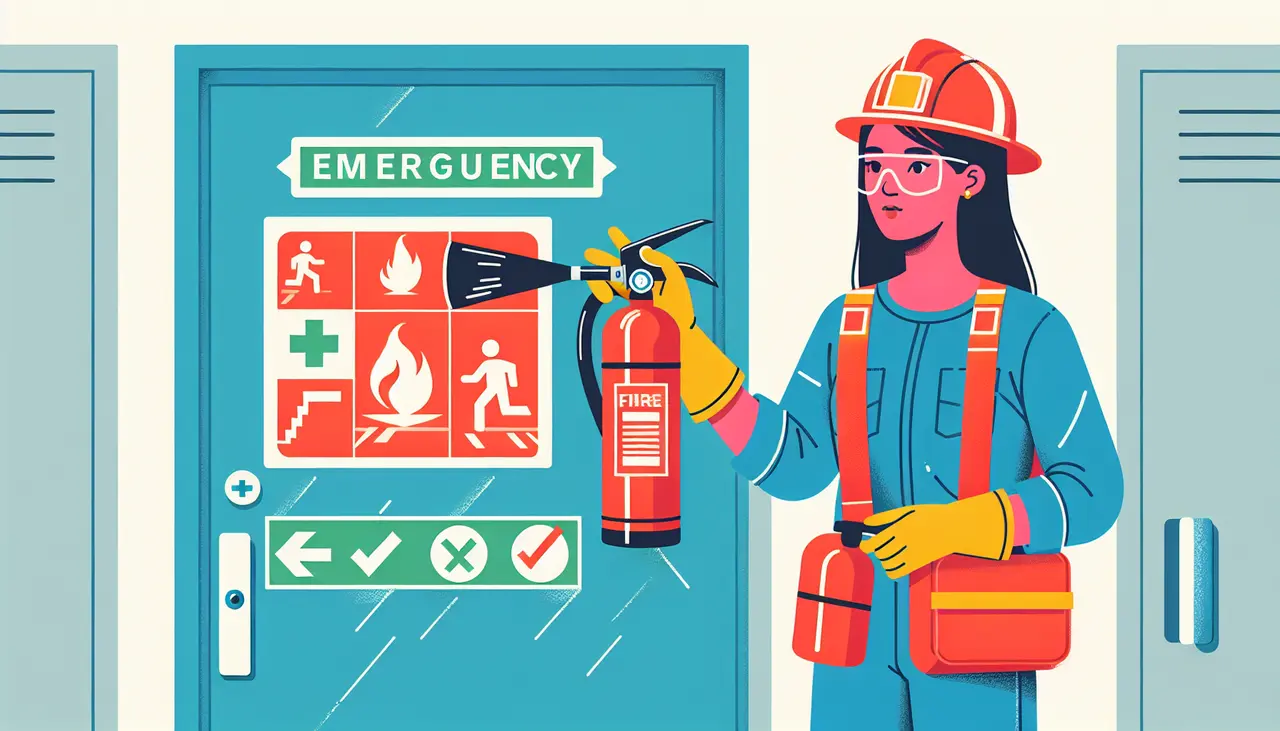
Draw a graphic in flat design style. A person demonstrating how to use a fire extinguisher in front of a simple emergency exit door.

Understanding the Basics of Emergency Equipment

Before diving deep into the importance of training, let’s define what emergency equipment is and its various types critical in different scenarios.

Emergency equipment refers to the tools and devices designed to assist in preventing, managing, or mitigating the effects of emergencies and disasters. This includes first aid kits, fire extinguishers, emergency evacuation signs, defibrillators, and more. Knowing the function and operation of each piece can be crucial in a pinch.

The Consequences of Unpreparedness

Exploring real-life scenarios and statistics that highlight the dire consequences of inadequate training on emergency equipment usage.

Unpreparedness can lead to catastrophic outcomes, including increased casualties, higher financial losses, and prolonged recovery times. For instance, a lack of familiarity with fire extinguisher types and usage can turn a small, controllable fire into a devastating blaze.

Statistics reveal that in many emergency situations, the initial response by individuals on the scene significantly affects the outcome. Being untrained not only jeopardizes your own safety but also that of others around you.

The Role of Training in Effective Emergency Response

How does training empower individuals and teams to use emergency equipment effectively? Here, we’ll discuss the transformation from unpreparedness to readiness.

Effective training embeds the knowledge and skills needed to use emergency equipment swiftly and correctly. It ensures that when an emergency strikes, individuals don’t freeze or panic but instead, act confidently and efficiently.

The goal of emergency equipment training is not just about memorization or passing a test; it’s about building muscle memory and instinctual reactions. This way, in an emergency, the response becomes almost automatic, greatly increasing the chances of a positive outcome.

Key Components of Effective Emergency Equipment Training

Delve into the essential elements that make training programs successful, from hands-on practice to regular drills and evaluations.

First and foremost, successful training programs are repetitive and consistent. Regular drills ensure that individuals remain familiar with the procedures and equipment, even if they’ve never faced a real emergency.

Hands-on practice is also crucial. While theoretical knowledge is essential, being able to physically operate emergency equipment under pressure is what will truly make the difference during an emergency. Therefore, simulations and practical exercises are key components of effective training.

Overcoming Common Barriers to Training

Identify and discuss solutions to typical obstacles that organizations and individuals face in implementing consistent training on emergency equipment.

One significant barrier is often the perceived cost and time required for comprehensive training. However, the investment in proper training is negligible compared to the potential costs of an emergency where people are not properly prepared.

Another common challenge is complacency, where both individuals and organizations might think, “It won’t happen to us.” Regular reminders of the risks and potential consequences of unpreparedness can help overcome this mindset.

Case Studies: Success Stories in Emergency Preparedness

Learn from the best with real-world examples where proper training on emergency equipment has made a significant impact on outcomes during crises.

For example, consider the case of a school that conducted regular fire drills, including the use of fire extinguishers. When a real fire broke out, the staff and students were able to evacuate efficiently, and the fire was quickly extinguished, minimizing damage and preventing any injuries.

Taking the Next Steps Towards Effective Training

Practical advice on how to get started or improve upon existing training programs for emergency equipment in your organization or personal life.

Begin by assessing your current level of preparedness and identifying any gaps in knowledge or equipment. Then, seek out resources, such as local emergency services, that can provide training and advice. Remember, the goal is not just to be prepared, but to be prepared effectively.

Empowering Through Preparedness

Proper training on emergency equipment doesn’t just prepare individuals and organizations for the worst; it instills a sense of confidence and readiness that can make all the difference. It’s about making safety a priority, developing a proactive approach to emergencies, and ensuring that when the unexpected happens, you’re prepared not just to respond, but to respond effectively.

What is OSHA Training and Who Needs It?

Understanding OSHA training is essential, not just for compliance, but for fostering a safe work environment. In this blog, we’ll dive into what OSHA training encompasses and pinpoint exactly who needs to participate in it, all while keeping the information digestible and engaging.
Crop repairman standing with working screwdriver and orange helmet

What is OSHA Training?

OSHA training, at its core, is about safety. Specifically, it’s a series of educational programs designed by the Occupational Safety and Health Administration to ensure that workers have the knowledge and skills to safeguard themselves and their colleagues in the workplace. It’s a way to foster a culture of safety and prevention.

The training covers a wide array of topics, from handling hazardous materials to operating certain machinery, and even how to prevent trips and falls. It applies to virtually any industry you can think of – construction, healthcare, manufacturing, and more. What’s great about OSHA training is that it’s not one-size-fits-all. Programs are tailored to address the specific hazards and issues of different work environments.

You might be wondering, ‘Is all of this training really necessary?’ The short answer is a resounding ‘Yes’. Safety protocols are ever-evolving, as new technologies and methodologies emerge. OSHA training keeps you at the forefront of safety knowledge, ensuring you’re well-equipped to navigate the complexities of modern workspaces.

Different Types of OSHA Training

OSHA doesn’t just throw a blanket over the wide array of industries it covers. Instead, it offers specialized training programs tailored to specific fields. These can range from 10-hour courses designed for entry-level workers to more intensive 30-hour courses for supervisors or managers.

For instance, the construction industry has training on fall protection, while general industry might focus on hazard communication. There’s also targeted training for dealing with bloodborne pathogens for healthcare workers. The variety ensures that no matter your role or industry, there’s training relevant to your safety needs.

Moreover, OSHA also recognizes the importance of ongoing education. As a result, there are requirements for certain workers to complete refresher courses annually, ensuring that everyone’s knowledge stays up-to-date on the latest safety practices and regulations.

Who Needs OSHA Training?

If you’re part of the workforce in an industry where hazards are present, chances are, you need OSHA training. This includes a broad spectrum of workers, from those on construction sites to individuals in a manufacturing plant, and employees in the healthcare sector.

It’s not just about frontline workers, though. Supervisors, managers, and even company owners can benefit from OSHA training. Understanding the intricacies of workplace safety is paramount for creating procedures and policies that protect everyone involved.

Still unsure whether you need it? Consider this: if there’s even a slim chance of encountering a safety hazard during your workday, OSHA training is not just recommended, it’s likely a requirement.

Benefits of OSHA Training for Employees and Employers

The benefits of OSHA training go beyond mere compliance. For employees, it provides the knowledge and skills necessary to protect themselves and their colleagues, potentially saving lives. This empowerment also boosts morale, as workers feel more secure and valued.

Employers reap enormous benefits, too. A safer workplace leads to fewer accidents, which translates to reduced costs related to injury and compensation. There’s also the advantage of increased productivity, as employees are less likely to take time off due to work-related injuries.

Moreover, adhering to OSHA training guidelines can significantly bolster a company’s reputation. Customers and clients tend to favor businesses that prioritize the well-being of their staff. It’s not just good ethics; it’s good for business.

How to Comply with OSHA Training Requirements

Compliance might seem daunting at first, but it starts with understanding the specific requirements for your industry and workforce. OSHA’s website is a treasure trove of resources, offering detailed guidelines and the necessary steps to get started.

One key aspect is to ensure that training programs are conducted by qualified professionals. Sometimes, this might mean bringing in certified trainers, while other times, online courses might suffice. The goal is to make sure that the training is effective and relatable to the daily experiences of your workers.

Keeping records is another crucial component. Documentation of training sessions, attendance, and certifications can prove invaluable, especially in the event of an inspection or audit. It serves as proof that you’ve met your obligations and are committed to maintaining a safe workplace.

Finding the Right OSHA Training Program

With the vast number of programs out there, choosing the right one can feel overwhelming. Start by assessing the specific needs of your business and workforce. What hazards are most prevalent in your industry? What skills and knowledge are critical for your employees?

Look for programs that offer flexibility, whether through in-person training, online modules, or a hybrid approach. The goal is to ensure that the training is accessible to all employees, regardless of their schedules or job locations.

Finally, don’t hesitate to ask for recommendations or seek out reviews. Often, the best insights come from peers in your industry who have navigated the same challenges. Connecting with others can lead you to a program that’s tried, tested, and true.

Wrapping Up on OSHA Training

Now that we’ve explored what OSHA training is and who needs it, it’s clear that this training is not just a regulatory requirement but a foundational component of workplace safety and employee well-being. Whether you’re an employer or employee, understanding and implementing OSHA training guidelines is key to a safe and productive work environment.

Air Quality Testing: The First Step in Creating a Safer Work Environment

In today’s world, the health of our work environment is as critical as the work itself. Air quality plays a significant role in our overall well-being, productivity, and safety. Through this friendly guide, we’ll explore the importance of air quality testing in the workplace, providing you with all the knowledge you need in an easy-to-understand manner.
A blue sky with white clouds and a blue sky

Why Air Quality in the Workplace Matters

Imagine stepping into your office and taking a deep breath, feeling energized and ready to tackle the day’s challenges. Now, picture the opposite – entering a workspace where the air feels heavy, and it’s hard to concentrate. This stark difference illustrates why air quality in the workplace is not just an optional luxury, but a necessity. Poor air quality can quietly erode our health, concentration, and productivity. By understanding the pivotal role of air quality, we can create environments that not only support, but enhance our daily work life.

Beyond individual well-being, the collective health of employees can significantly influence the operational efficiency of a business. Offices, manufacturing plants, or any indoor work environments with compromised air quality may witness an uptick in absenteeism due to respiratory or other health-related issues. In the long run, this impacts the bottom line, not to mention the possible legal and reputational risks if employees’ health concerns are linked to the workplace environment. This brings to light the critical need for regular air quality testing as an integral part of workplace safety protocols.

Identifying the Signs of Poor Air Quality

Recognizing the signs of poor air quality isn’t always straightforward since many symptoms can be subtle or mistaken for other ailments. Common indicators include persistent headaches, dizziness, fatigue, and irritation of the eyes, nose, or throat among employees. These symptoms, especially if reported by multiple people, can be telltale signs that your workplace air quality needs assessment and improvement. It’s pivotal to listen to these warnings your body is giving you, as prolonged exposure could lead to more serious health problems.

The Basics of Air Quality Testing

Air quality testing is essentially a process that evaluates the levels of various pollutants and contaminants in an indoor environment. This can range from measuring carbon dioxide and carbon monoxide levels, to detecting the presence of potentially harmful substances like volatile organic compounds (VOCs), mold, and allergens. The goal is to identify any factors that might be compromising the air quality and, by extension, the health and safety of employees. Understanding these basics forms the foundation for taking the next step in improving your workplace’s air environment.

Types of Air Pollutants in the Office

Various pollutants can degrade air quality in office settings, ranging from the seemingly benign to the overtly hazardous. Common culprits include dust and particulate matter, often stemming from everyday activities like printing and construction work nearby. Chemical pollutants, such as those from cleaning supplies, paint, or office equipment, can emit VOCs, contributing to a toxic air environment. Additionally, biological contaminants like mold and bacteria thrive in damp or inadequately ventilated areas, posing health risks. Understanding these types of pollutants is crucial in targeting and eliminating them.

Choosing the Right Air Quality Testing Professional

Selecting the right professional for air quality testing is paramount to ensuring the safety and well-being of your workplace. It’s essential to choose a certified and experienced expert who can accurately assess your indoor environment and provide actionable recommendations. Look for professionals with a solid track record and the necessary tools to conduct comprehensive assessments. Don’t hesitate to ask for references or case studies from similar environments to ensure you’re making an informed decision. After all, the health of your workspace hinges on the expertise of the professional you choose.

Steps Following a Successful Air Quality Test

Following a successful air quality assessment, the next steps involve interpreting the data, identifying sources of pollutants, and implementing solutions. The testing professional should provide a detailed report outlining the findings and suggested actions. This may range from simple fixes like improving ventilation and using air purifiers, to more involved measures such as addressing mold issues or replacing outdated HVAC systems. Regular follow-up testing is recommended to ensure that the corrective actions have had a positive impact and that air quality remains at safe levels.

Maintaining Good Air Quality: Tips and Best Practices

Maintaining good air quality is an ongoing effort that requires attention and commitment. Regular cleaning and dusting, using non-toxic cleaning supplies, and ensuring that the office is well-ventilated can make a significant difference. Encouraging practices such as keeping windows open when weather permits, integrating indoor plants that can naturally purify air, and scheduling regular HVAC maintenance will foster a healthier workspace. Embrace these habits as part of your office culture to sustain a safe, inviting, and productive environment for everyone.

Breathing Easier with a Healthier Work Environment

Ensuring a safe and healthy work environment is a journey that begins with a single, important step: air quality testing. By understanding and maintaining the quality of air in your workspace, you’re not just complying with health standards but also showing a genuine commitment to the well-being of your team. Remember, a healthier environment fosters productivity, reduces sick days, and cultivates a positive work culture. So, take that first step, test your air, and breathe easier knowing you’re making a difference.

10 Essential Safety Consulting Tips to Keep Your Workplace Accident-Free

Creating a safe work environment is crucial for the well-being of employees and the success of any business. Safety consulting experts offer invaluable advice to help reduce workplace accidents. Follow these 10 essential safety consulting tips to foster a culture of safety and ensure a healthy, accident-free workplace.
A Group of People Having a Discussion

1. Establish a Comprehensive Safety Plan

Starting with a comprehensive safety plan is like setting a solid foundation for a house—it’s essential for everything that follows. This plan should cover all potential hazards your employees might face, from equipment use to environmental dangers. Think of it as a roadmap that not only guides day-to-day operations but also outlines procedures for emergencies. Regularly updating the plan as your workplace evolves is key. Remember, a plan that sits on a shelf collecting dust is of no use. Engagement and practice are what bring it to life.

2. Conduct Regular Safety Training Sessions

Knowledge is power, especially when it comes to preventing accidents. Regular safety training sessions ensure that all employees are up to speed on the latest safety procedures and practices. But it’s not only about having these sessions; it’s about making them engaging and relevant. Use real-life examples, and if possible, incorporate hands-on training. The goal is to make safety practices second nature to your team.

3. Perform Routine Safety Audits and Inspections

Think of safety audits and inspections as your workplace’s health check-ups. They help you identify potential hazards before they lead to accidents. Use these audits as an opportunity to engage with employees and involve them in the process. This not only helps in spotting risks but also promotes a culture of safety among your staff.

4. Encourage Open Communication About Safety Concerns

A workplace where employees feel comfortable voicing their safety concerns is a workplace that’s primed for success. Encourage an open-door policy and take every concern seriously. Sometimes, it’s the smallest observations that can prevent the most significant accidents. Promoting open communication fosters a culture of trust and safety.

5. Invest in High-Quality Safety Equipment and PPE

Investing in high-quality safety equipment and personal protective equipment (PPE) is not just a regulatory requirement—it’s a crucial step in protecting your employees. This doesn’t mean you have to break the bank. However, choosing reputable suppliers and not compromising on quality can make all the difference in ensuring your team’s safety and well-being.

6. Stay Up-to-Date with Safety Regulations and Standards

Safety regulations and standards are always evolving, so staying informed is pivotal. This ensures your practices are not just compliant, but also that you’re providing the safest possible environment for your workforce. Consider subscribing to safety consulting newsletters, attending relevant webinars, and joining industry groups. This proactive approach not only keeps you informed but also positions you as a leader in workplace safety.

7. Promote a Culture of Accountability and Responsibility

Creating a culture where each employee feels responsible for not just their safety but that of their colleagues significantly reduces the likelihood of accidents. Encourage team members to hold each other accountable respectfully and constructively. Recognizing and rewarding safe practices is also a powerful motivator. This approach not only enhances safety but also strengthens teamwork and morale.

8. Implement Emergency and Evacuation Procedures

In the event of an emergency, knowing what to do can mean the difference between safety and catastrophe. Regularly drill your team on evacuation procedures and ensure everyone knows their role in an emergency. Clear signage, well-marked exits, and readily available evacuation maps are essential. Practicing these procedures helps ensure that if an emergency occurs, everyone knows how to respond efficiently and effectively.

9. Focus on Ergonomics to Prevent Workplace Injuries

Ergonomics isn’t just about comfort—it’s about preventing injuries. From the design of workstations to the choice of tools, every detail matters. Conduct ergonomic assessments regularly and listen to your employees about what works and what doesn’t. Simple adjustments can significantly reduce the risk of repetitive strain and other work-related injuries.

10. Engage and Empower Employees to Be Safety Champions

The most successful safety programs are those where employees play an active role. Engage your team in identifying safety solutions and empower them to be safety champions within their departments. This sense of ownership not only improves safety compliance but also fosters a culture where safety is truly a collective effort. Remember, a safe workplace is the result of everyone working together towards a common goal.

Why Are Blood Pressure Monitors Important for Workplace Safety?

Exploring the critical role of blood pressure monitors in ensuring a safe and healthy workplace environment.
Professional equipment in doctor office with couch for medical treatment procedures behind protective screen

Understanding Blood Pressure and Its Impact on Health

Blood pressure is a key health indicator, fluctuating throughout the day based on our activities, stress levels, and overall health condition. High or low blood pressure can be a signal of underlying health issues. Having a blood pressure monitor accessible in the workplace can be instrumental in early detection of potential health risks.

Consistently high blood pressure, known as hypertension, can lead to severe health complications like heart disease and stroke. On the flip side, low blood pressure might indicate dehydration or endocrine disorders. Understanding these nuances is crucial for maintaining a healthy workforce.

The connection between blood pressure and workplace safety might not be immediately apparent, but it is significant. Employees with unmanaged blood pressure are at a higher risk of medical emergencies, which could lead to accidents or sudden incapacity, endangering themselves and others around them.

Identifying employees with potentially risky health conditions allows interventions that can prevent emergencies. Regular monitoring can also reduce stress by providing employees with a sense of control over their health, thereby creating a safer and more secure working environment.

How Blood Pressure Monitors Work

Blood pressure monitors are user-friendly devices designed to measure the pressure of the blood in your arteries. They come in various types, including arm cuff models and wrist models. At their core, they work by inflating a cuff to temporarily stop the blood flow in your artery, then slowly releasing it while measuring the pressure.

Benefits of Having Blood Pressure Monitors at Work

Incorporating blood pressure monitors in the workplace offers numerous benefits. They serve as an immediate resource for checking vital health indicators, encourage a culture of health awareness, and can potentially save lives by detecting abnormal blood pressure early.

Moreover, when employees feel their health is valued, it boosts morale and productivity. It’s a relatively low-cost investment that speaks volumes about a company’s commitment to its workers’ well-being.

Selecting the Right Blood Pressure Monitor for Your Workplace

Choosing the right blood pressure monitor for your workplace involves considering accuracy, ease of use, and longevity of the device. Automated, digital monitors that store readings for multiple users can offer a comprehensive solution for workplace health monitoring.

Implementing a Blood Pressure Monitoring Program

Developing a program for blood pressure monitoring is more than just placing a device in the break room. It should include educating employees on the importance of regular checks, ensuring privacy for users, and possibly coordinating with healthcare professionals to provide support for those who need it.

Addressing Privacy and Ethical Considerations

When implementing blood pressure monitoring, it’s essential to navigate privacy and ethical considerations meticulously. Create a policy that ensures readings are confidential and only shared with the individual unless they consent otherwise for medical support reasons.

Empowering Employees Through Education and Awareness

The final step in making blood pressure monitors an integral part of workplace safety is through education. Employees should be aware of the risks associated with high and low blood pressure, understand how to use monitors correctly, and know the steps to take if a reading signals a health concern.

Embracing Blood Pressure Monitors for a Safer Workplace

Incorporating blood pressure monitors into your workplace safety program is more than a precaution; it’s a vital step towards safeguarding the well-being of your employees. By understanding their importance and correctly implementing them, you contribute to a culture of health awareness and proactive risk management, ultimately fostering a safer, more productive work environment.

12 Tips for Maintaining Your Equipment with Calibration Services

In a world where precision matters, ensuring your equipment performs at its best isn’t just an option—it’s a necessity. Calibration services are the unsung heroes in this quest for perfection. Let’s dive into how these services can elevate your equipment’s performance and reliability.
Flat Lay Photography of Hand Tools

1. Understanding the Basics of Calibration

Calibration bridges the gap between theoretical accuracy and real-world application, ensuring your equipment measures up to its promised standards. This critical process adjusts instruments to guarantee they provide accurate readings, essential in fields where precision is non-negotiable. Understanding calibration begins with recognizing its importance in upholding quality and consistency across various industries.

At its core, calibration assesses performance by comparing equipment outputs with a standard of known accuracy. This comparison uncovers any deviations, allowing for necessary adjustments. By routinely calibrating your equipment, you’re not just complying with standards; you’re fostering a culture of accuracy and dependability within your operation.

2. The Importance of Regular Calibration Checks

Consistency is key in maintaining the integrity of your measurements. Regular calibration checks prevent the drift in equipment accuracy that can lead to costly errors and quality issues. These periodic assessments ensure that every reading takes you a step closer to the precision required for your industry’s success.

3. Selecting the Right Calibration Services Provider

Choosing a calibration provider is more than just ticking a box; it’s finding a partner in precision. Look for providers with a robust accreditation portfolio, a range of services tailored to your needs, and a history of excellence in customer service. The right provider will not only offer calibration but also consult on best practices for maintaining your equipment’s performance.

4. Pre-calibration Preparation: What You Need to Do

Preparation is pivotal to the calibration process. Begin by clearly documenting your equipment’s current performance levels and specific areas of concern. Ensure your instruments are clean and accessible for the service team. Providing comprehensive details and operational history can significantly enhance the calibration process’s effectiveness.

5. Decoding the Calibration Report

A calibration report is not just paperwork; it’s a diagnostic tool that offers deep insights into your equipment’s performance. Learn to interpret the report’s findings, including any deviations from standards and the adjustments made. These insights allow you to make informed decisions about equipment maintenance and operation adjustments.

6. In-House vs. External Calibration Services: Making the Choice

Deciding between in-house and external calibration services hinges on factors like cost, complexity, and criticality. In-house calibration offers control and convenience, while external services provide specialized expertise and sophisticated equipment. Your choice should align with your operational priorities and the specific requirements of your equipment.

7. The Role of Calibration in Quality Control

Calibration sits at the heart of quality control, ensuring that the products or data you produce meet stringent standards. It’s a foundational aspect of achieving and maintaining certifications like ISO 9001, directly influencing your reputation for quality. Investing in regular calibration underscores a commitment to excellence and customer satisfaction.

8. Troubleshooting Common Calibration Issues

Encountering problems during calibration can be frustrating, but understanding common issues can pave the way for smoother operations. Issues range from simple fixes, like correcting environmental conditions, to more complex solutions, such as repairing or replacing components. A proactive approach to troubleshooting can minimize downtime and maintain accuracy.

9. The Cost Benefits of Regular Calibration

While calibration is an investment, the cost benefits far outweigh the expenses. Regular calibration minimizes the risk of errors that can lead to product recalls, quality control failures, and lost business. By preventing these costly setbacks, calibration services ultimately save money and protect your bottom line.

10. Calibration Standards and Certifications: What to Look For

Calibration standards ensure uniformity and accuracy across industries, but knowing which certifications are relevant to your equipment is crucial. Look for calibration services that adhere to internationally recognized standards, such as ISO/IEC 17025, ensuring your instruments meet global benchmarks for precision.

11. How to Create a Calibration Schedule and Stick to It

A consistent calibration schedule is vital for maintaining equipment accuracy. Start by assessing each instrument’s role in your operations, its frequency of use, and its impact on product quality. This assessment will help you prioritize calibration needs and develop a schedule that keeps your equipment—and your business—running smoothly.

12. Leveraging Calibration Services for Optimal Performance

Maximizing the benefits of calibration services involves more than just scheduling regular check-ups. Engage with your provider to understand how calibration impacts your equipment’s performance. Take advantage of their expertise to enhance your maintenance routines, ensuring your instruments operate at their peak capability.