How Often Should Emergency Equipment Be Tested for Accuracy?

In the critical moments of an emergency, the reliability of your emergency equipment can be the thin line between chaos and safety. But how often should this lifesaving equipment be tested to ensure its accuracy?
Equipment in Fire Engine

Understanding the Importance of Emergency Equipment Maintenance

Emergency equipment, from fire extinguishers to defibrillators, plays a pivotal role in response efforts during crises. The maintenance of such equipment is not just about compliance with regulatory standards; it’s about ensuring functionality when seconds count. Regular testing helps identify potential malfunctions or degradations in performance, thus preventing equipment failure during actual emergencies.

Moreover, routine checks and maintenance serve as reassurance to occupants and personnel that safety measures are in place and ready to operate. This not only bolsters confidence but also enhances the overall safety culture within an organization or facility.

Regulatory Standards for Testing Emergency Equipment

Regulatory bodies such as OSHA, NFPA, and ANSI set forth guidelines and standards for the periodic testing of emergency equipment. For example, the NFPA 10 standard stipulates annual testing for fire extinguishers, while OSHA’s guidelines require regular inspections of all emergency equipment to ensure it’s in operable condition.

These regulations are not just arbitrary rules but are designed based on historical data, scientific research, and lessons learned from past emergencies. Adhering to these standards ensures that equipment will perform as expected in the event of an emergency.

The testing frequency for emergency equipment can vary widely depending on the type of equipment and the environment in which it is used. For instance, fire extinguishers should be inspected monthly for physical damage and annually for operability. Similarly, emergency lighting systems require monthly functional tests and an annual test for full operational duration.

For life safety equipment such as smoke detectors and fire alarms, testing should be conducted at least annually, but preferably semi-annually, to ensure their sensitivity and effectiveness. Elevator emergency phones, on the other hand, should be tested monthly to verify proper connection to emergency services.

Evacuation plans and emergency exits also fall under the umbrella of emergency prepared purview, with regular drills recommended to test the plans’ effectiveness and the proper functioning of exit signs and pathway lighting.

Steps to Ensure Your Emergency Equipment is Accurate and Reliable

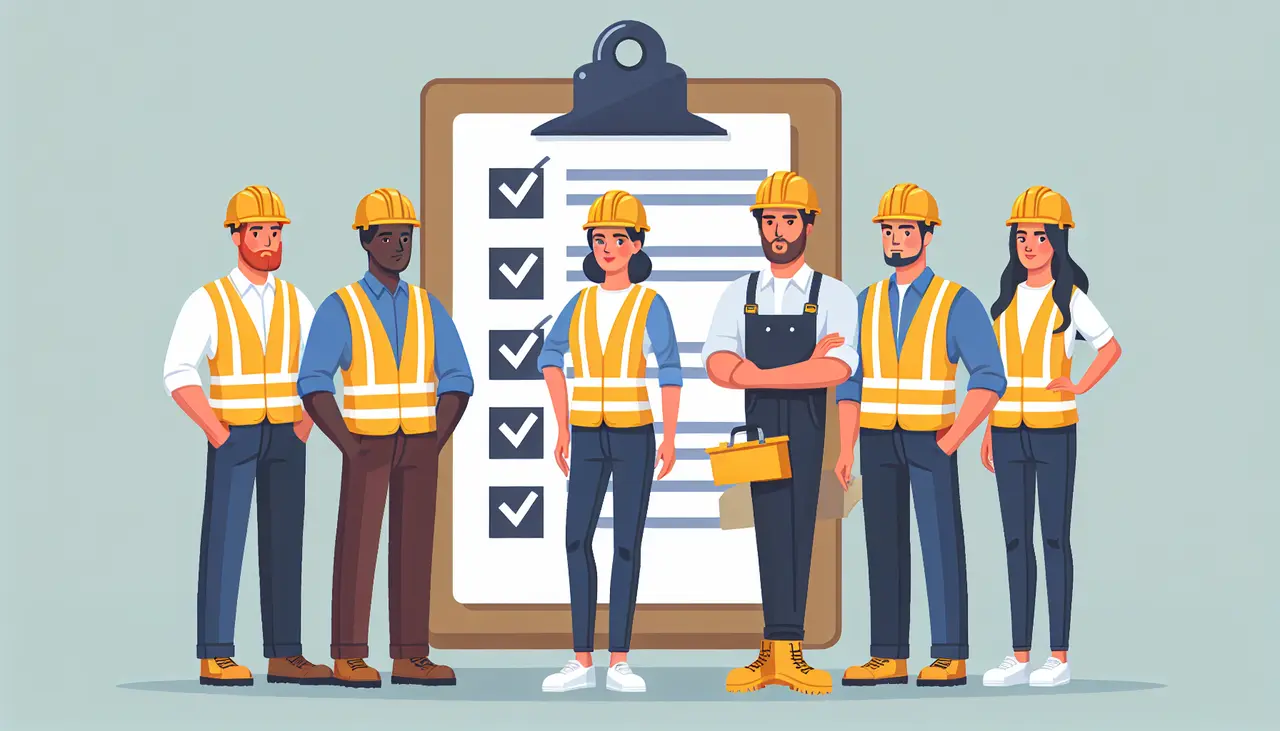
Implementing a comprehensive testing schedule is crucial for the reliability of emergency equipment. Start by developing a checklist based on the types of equipment in your facility and the recommended frequencies of testing. Documenting each test and its outcome is also essential for compliance and for tracking the equipment’s maintenance history.

Training personnel in proper testing procedures and the use of equipment is equally important. This ensures not only that tests are performed correctly but also that in an emergency, staff are prepared to use the equipment effectively.

Common Challenges in Maintaining Emergency Equipment and How to Overcome Them

One of the major challenges in maintaining emergency equipment is ensuring that testing schedules are adhered to amidst the day-to-day demands of running a facility. Automating reminders or utilizing maintenance management software can help keep track of testing dates and requirements.

Obsolescence of equipment poses another challenge, especially with rapid technological advancements. Regularly reviewing and updating equipment to meet current standards is vital for maintaining an effective emergency response capability.

Lastly, budget constraints can limit the ability to replace outdated or malfunctioning equipment. Prioritizing the update and maintenance of critical equipment within budget planning is essential for overcoming this hurdle.

The Essence of Regular Testing

Regular testing is more than a procedural mandate; it’s a cornerstone of safety and preparedness. By adhering to recommended frequencies and adapting to technological advancements, we ensure our emergency equipment remains a reliable guardian in times of need. As we’ve explored, the essence of testing is not in the act itself but in the peace of mind and security it provides.

What Are the Common Challenges in Achieving EHS Compliance?

Navigating the complexities of EHS compliance can often feel like a voyage through uncharted waters, where the rules of navigation are constantly changing.
Green Leaf

Understanding the Scope of EHS Compliance

Grasping the full scope of Environmental, Health, and Safety (EHS) compliance is the first formidable challenge organizations face. It involves a comprehensive understanding that extends beyond mere regulatory adherence to embody the well-being of employees, environmental stewardship, and community responsibility.

This wide-ranging scope means that EHS compliance isn’t just about ticking boxes but integrating these elements into the very DNA of an organization’s operating principles.

Keeping Up with Changing Regulations

One of the most dynamic challenges in achieving EHS compliance is the pace at which regulations change. With each jurisdiction having its own set of rules – which are subject to frequent revisions – keeping abreast of current requirements becomes a Herculean task.

This constant flux not only demands dedicated personnel to monitor and interpret these changes but also necessitates flexible systems within organizations to implement adjustments swiftly and efficiently.

Integrating EHS Compliance Across Multiple Locations

For organizations operating across various regions or countries, standardizing EHS compliance protocols presents a labyrinth of complexity. The challenge lies in harmonizing these efforts while respecting the local regulations and cultural nuances of each location.

Achieving this balance requires a deep understanding of local laws and a commitment to fostering a culture of compliance that transcends geographical boundaries.

Ensuring Employee Engagement and Training

A key pillar of EHS compliance is the active participation and education of employees. This is often easier said than done, as it involves not merely the dissemination of information but engaging employees in a way that motivates them to adopt safety practices willingly.

Developing comprehensive training programs that are both informative and engaging can help bridge the gap between regulation and practice, encouraging a culture of safety and awareness.

Managing Data and Reporting for Compliance

In today’s data-driven environment, tracking and reporting EHS metrics is a critical component of compliance. The sheer volume of data involved can be overwhelming, demanding robust management systems to ensure accuracy and accessibility.

Leveraging technology to streamline these processes not only simplifies compliance but also provides valuable insights that can drive ongoing improvement.

Implementing and maintaining EHS compliance often comes with substantial costs. From training employees and upgrading equipment to conducting regular audits and updating systems, the financial burden can be significant.

Seeking cost-effective solutions without compromising on safety standards is a delicate balancing act that requires strategic planning and investment.

Leveraging Technology for EHS Management

Technology plays a pivotal role in streamlining EHS compliance processes. From automated reporting systems to advanced analytics for risk assessment, the right technological tools can significantly enhance efficiency and effectiveness.

However, selecting and implementing these technologies requires careful consideration of the organization’s specific needs and capabilities, ensuring that the tools not only meet current requirements but are also scalable for future challenges.

Charting a Path Forward in EHS Compliance

In the journey toward robust EHS compliance, the challenges are as diverse as they are demanding. It’s a continuous process of education, adaptation, and technological integration. By acknowledging these hurdles and proactively seeking solutions, organizations can not only ensure compliance but also foster a safer, more sustainable work environment that thrives on continuous improvement and transparency.

How Often Should Fit Testing Supplies be Replenished?

In the world of safety and compliance, ensuring your fit testing supplies are adequately stocked is not just best practice—it’s a lifeline. Dive into the nuances of maintaining this crucial inventory.
Set of different kettlebells placed in row on metal platform on modern fitness equipment in sport center

Understanding Fit Testing Supplies

Fit testing supplies are essential components in ensuring the effectiveness of personal protective equipment (PPE). These supplies may include qualitative and quantitative fit testing kits, adapters, challenge agents like Bitrex or Saccharin, and cleaning solutions. Understanding the types of fit tests and the supplies each requires is the first step in ensuring your inventory meets the needs of your safety program.

In industries where workers are exposed to hazardous substances, such as healthcare, manufacturing, and construction, the significance of maintaining an ample supply of fit testing materials cannot be overstated. It’s not just about meeting regulatory requirements; it’s about safeguarding the health and safety of employees.

Determining Your Needs for Fit Testing Supplies

The frequency of fit testing and the size of your workforce are key factors in determining your supply needs. OSHA mandates annual fit testing for workers using tight-fitting respirators, necessitating a consistent supply of testing materials. Additionally, initial fit tests for new employees or when introducing different respirators into your workplace further influence your inventory levels.

Assessing the variety of respirators used across different departments can also affect how you stock fit testing supplies. Specialized respirators might require specific adapters or testing agents, necessitating a broader inventory to accommodate diverse testing scenarios.

Estimating usage can be challenging, but historical data on how frequently fit tests are conducted, coupled with the growth rate of your workforce, can provide a solid basis for forecasting. Remember, it’s better to err on the side of excess when it comes to safety equipment.

Recommendations for Replenishing Fit Testing Supplies

As a rule of thumb, it’s advisable to review your supply levels quarterly and adjust based on usage and upcoming fit testing schedules. This proactive approach ensures you’re never caught off-guard by a sudden need for replenishment.

For organizations with extensive safety programs or multiple locations, leveraging technology for inventory management can streamline this process. Software that alerts you when supplies dip below a certain threshold can be a game-changer in maintaining continuous readiness.

Purchasing supplies in bulk can also yield cost benefits and reduce the frequency of reorder points. However, bear in mind the shelf life of certain supplies like test solutions, to prevent waste from expired materials.

Monitoring Usage and Supply Levels

Effective inventory management relies on accurate and consistent tracking of supply levels. Designating a team member to oversee this task can keep your program organized and compliant. Regular audits of fit testing supplies, including expiration dates, helps ensure that all components are ready for use when needed.

Utilizing an inventory management system, even a simple spreadsheet, can facilitate monitoring usage patterns. Documenting each fit test’s date, type, and the supplies used can highlight trends and inform future purchasing decisions.

Setting Up a Reorder Schedule

Creating a reorder schedule starts with understanding your fit testing frequency and supply consumption rates. Integrating supply checks into regular safety meetings can ensure this task isn’t overlooked.

For larger organizations or those with variable testing needs, dynamic reorder schedules that adjust based on real-time usage data may be more effective. Employing inventory management software with reorder alerts ensures you maintain an optimal level of supplies.

Lastly, establishing good relationships with suppliers can provide flexibility and reliability. Suppliers who understand your business can offer valuable insights into managing your fit testing supplies efficiently and may offer options for automatic replenishment based on your consumption patterns.

Maintaining Safety through Vigilance

In conclusion, the frequency of replenishing your fit testing supplies hinges on a well-orchestrated balance of understanding your specific needs, diligent monitoring, and forward-planning. With safety at the forefront, keeping a keen eye on supply levels ensures not just compliance, but the well-being of everyone involved.

Can Calibration Services Improve the Lifespan of My Equipment?

Wondering how to extend the life of your valuable equipment? Discover the pivotal role of calibration services in safeguarding your investments.
Flat Lay Photography of Hand Tools

Understanding Calibration Services

Calibration services involve comparing the outputs of equipment to a known standard or set of parameters, adjusting the device as needed to ensure accuracy. This process is crucial not just for compliance and quality control, but also plays a direct role in the longevity and reliable performance of the equipment.

Contrary to popular belief, calibration is not a one-time event but a critical part of routine maintenance. Over time, equipment can drift from its original specifications, leading to inaccuracies that, if unchecked, can cause wear and tear or even catastrophic failures.

How Calibration Services Impact Equipment Lifespan

The direct impact of calibration on equipment lifespan is multifaceted. Firstly, it ensures that machines are operating within their intended specifications, which reduces the risk of overloading and stress. Regular calibration can spot early signs of wear and tear, allowing for preventative maintenance before problems escalate.

Another aspect is the optimization of efficiency. By maintaining accuracy, calibration services ensure that equipment is not using more energy than necessary, which can lead to overheating and increased wear. This careful balance of operation not only extends the life of your equipment but also improves output quality and consistency.

The Role of Regular Calibration in Preventive Maintenance

Integrating calibration into preventive maintenance routines is a strategy that pays dividends in enhancing equipment longevity. It works by catching potential issues before they become serious, thereby avoiding downtime and costly repairs.

Regular calibration can serve as a diagnostic tool, revealing underlying problems that aren’t immediately visible. This proactive approach helps maintain operational efficiency and reduces the risk of unexpected failures, contributing significantly to extending the service life of your equipment.

Case Studies: Improved Lifespan Through Calibration

Real-world examples abound where consistent calibration services have drastically improved equipment lifespan. For instance, in a manufacturing setting, precision tools that were regularly calibrated experienced a 30% increase in usable life compared to those that were not, leading to considerable cost savings and reduced environmental impact.

Another case involved a laboratory where sensitive measuring equipment required exact calibration. Regular checks ensured accuracy, which not only upheld the integrity of the research but also significantly decreased the wear on its components, thereby extending its use far beyond the expected timeframe.

Choosing the Right Calibration Services Provider

Selecting the appropriate provider for calibration services is key to achieving the desired outcomes for your equipment’s lifespan. Look for certified and experienced technicians who can offer a comprehensive range of services tailored to your specific needs.

It’s also prudent to choose a provider who can offer insights and recommendations based on your industry and the unique demands of your equipment. A provider that invests in the latest technology and training will ensure your equipment is calibrated to the highest standards, providing peace of mind and added value to your operations.

FAQs on Calibration Services and Equipment Longevity

How often should my equipment be calibrated? The frequency of calibration depends on several factors, including the manufacturer’s recommendations, how frequently the equipment is used, and the operational environment. Generally, annual calibration is a minimum, but more frequent checks may be necessary for high-precision devices.

Can I calibrate equipment myself? While some basic calibration tasks can be performed in-house, professional calibration services are recommended for most equipment. This ensures accuracy, compliance with regulations, and the correct adjustment of complex systems.

Does calibration guarantee my equipment will last longer? While calibration alone cannot guarantee extended equipment life—since factors like usage and maintenance practices play significant roles—it is a key component in a comprehensive maintenance strategy that can significantly improve longevity and reliability.

Summary: The Lifespan-Extending Power of Calibration Services

In the realm of maintaining equipment, the significance of calibration services cannot be overstated. By ensuring accuracy, efficiency, and safety in operations, these services not only contribute to the quality of your outputs but are a cornerstone in prolonging the lifespan of your equipment. Embrace calibration as your ally in achieving sustainable performance and durability.

Innovations in asbestos detection: How new technology is making workplaces safer

The silent menace lurking in many workplaces for decades is finally meeting its match. Through cutting-edge innovations in asbestos detection, today’s technology is shining a light on hidden dangers, transforming the way we maintain safety and health standards at work. This blog dives into how these advancements are not just changing but revolutionizing the game in workplace safety.
Photo Of Female Scientist Working On Laboratory

The dangers of asbestos in the workplace

Asbestos, once heralded for its insulation and fire-resistant properties, has been unmasked as a significant health hazard, responsible for diseases such as mesothelioma, lung cancer, and asbestosis. The silent fibers of asbestos can linger in the air, undetectable to the eye and deadly over time, making the detection and removal of asbestos critical in safeguarding workplace health.

For decades, the dangers of asbestos have been obscured, often hidden within the walls, ceilings, and floors of older buildings. Workers in construction, renovation, and industry sectors are at a heightened risk, dealing directly with materials that, if disturbed, release these fatal fibers. Recognizing these risks is the first step towards mitigating them, highlighting the need for advancements in detection technology.

Emerging technologies in asbestos detection

Today’s landscape of asbestos detection is undergoing a transformation, thanks to emerging technologies that offer both accuracy and efficiency. Innovations range from portable devices that can identify asbestos on the spot to sophisticated imaging techniques capable of seeing what the human eye cannot. These advancements mean faster, safer, and more reliable asbestos detection than ever before.

One of the standout technologies is the use of infrared spectroscopy, a method that analyzes the specific light wavelength absorption of materials to detect the presence of asbestos instantly. This technology not only speeds up the detection process but also significantly reduces the risk for workers involved in sampling and testing.

How AI is revolutionizing asbestos identification

Artificial Intelligence (AI) is at the forefront of revolutionizing asbestos detection, offering unparalleled precision in identifying these dangerous fibers. AI algorithms can now analyze vast amounts of data from imaging and detect the presence of asbestos with a level of accuracy previously unattainable. This not only boosts safety but also dramatically cuts down the time needed for inspections and analysis.

Moreover, the integration of AI with drone technology allows for the safe inspection of hard-to-reach areas, such as high ceilings or confined spaces, minimizing the exposure risk for human inspectors. These AI-driven drones can quickly scan environments, relay the data back to experts, and ensure that necessary actions are taken promptly.

Case studies: Successful implementation of asbestos detection technologies

A powerful testament to the effectiveness of these innovations comes from case studies across the globe. In Australia, a country with a high number of asbestos-related conditions, the government has successfully implemented infrared technology, significantly reducing the time taken to identify asbestos in public buildings and homes.

Another breakthrough comes from the UK, where AI-driven analysis has been utilized in historical buildings, offering a non-invasive method to detect asbestos without damaging these culturally significant structures. These success stories exemplify the global implications of advancements in asbestos detection, signifying a move towards safer workplaces worldwide.

The future of workplace safety and asbestos management

The future of workplace safety in relation to asbestos management looks promising, with continuous advancements in technology paving the way. The focus is now on not only enhancing detection methods but also on developing innovative removal techniques that minimize health risks and environmental impact.

As regulation tightens and awareness grows, the next frontier in asbestos safety will likely involve predictive analytics, using AI to predict areas and buildings at risk before they become health hazards. Such proactive approaches could redefine our understanding of workplace safety, making asbestos-related diseases a thing of the past.

The Path Forward in Asbestos Detection

As we’ve seen, the intersection of technology and safety is creating a new threshold for health standards in the workplace. Asbestos detection has moved from being labor-intensive and uncertain to precise, efficient, and increasingly accessible, thanks to innovations in AI and other emerging technologies. The efforts in developing these technologies underscore a commitment to protect workers and the environment, paving the way for a future where the air in our workplaces is as safe as the air we breathe outdoors.

Can Calibration Extend the Life of My Instruments?

Discover how regular calibration services not only ensure the accuracy of your instruments but could very well be the secret ingredient to significantly extending their lifespan.
Measuring Instruments on a Yellow Background

Understanding Calibration Services

At its core, calibration services involve comparing the measurements from an instrument to a known standard, making adjustments as necessary to ensure accuracy. It’s the cornerstone for maintaining the integrity of your instruments, ensuring they deliver the precise results you rely on for your critical operations.

Beyond accuracy, calibration provides a wealth of data about your instruments’ performance, revealing trends that may indicate emerging issues before they lead to failure. This proactive approach to maintenance can save both time and money, mitigating the need for costly repairs or replacements down the line.

Many are surprised to learn that environmental factors like temperature, humidity, and even altitude can affect an instrument’s accuracy over time. Regular calibration, then, becomes an essential defense against these subtle yet impactful influences.

The Impact of Calibration on Instrument Longevity

Consistent calibration plays a pivotal role in instrument longevity by ensuring that your equipment functions within its intended design parameters. This not only guarantees optimal performance but significantly reduces the wear and tear that can accelerate equipment degradation.

The logic is straightforward: an accurately calibrated instrument minimizes the likelihood of operational errors, which can stress the system. Think of it as the instrument operating in its ‘comfort zone,’ free from the strain of inaccurate measurements that could lead to overuse or misuse.

Frequency of Calibration: How Often Should You Do It?

The golden question of calibration services often boils down to frequency. The answer? It varies. Factors including the type of instrument, its usage level, and the critical nature of the measurements it provides will dictate how often you should calibrate.

For some high-precision instruments, calibration might be required as frequently as monthly, whereas less sensitive tools could be on an annual calibration schedule. Adhering to the manufacturer’s recommendations and industry standards is a good starting point, but always consider your own usage patterns and the accuracy requirements of your operations.

Choosing the Right Calibration Services Provider

Selecting a calibration services provider is a decision that shouldn’t be taken lightly. Credentials, expertise, and the ability to service your specific type of instruments are must-have criteria.

Look for providers with a robust quality assurance system, proven track record, and excellent customer service. A good provider will not just perform the calibration but also offer insights into maintaining instrument accuracy and extending its lifespan.

DIY Calibration vs. Professional Calibration Services

While DIY calibration can be tempting, particularly for organizations looking to save costs, it’s crucial to weigh the risks. Professional calibration services come with the expertise, equipment, and traceability that DIY methods simply cannot match.

For critical equipment, the peace of mind that comes with professional calibration—knowing your instruments adhere to industry standards and regulations—cannot be overstated. However, for less critical instruments, a hybrid approach, combining professional calibration with internal checks, can be a practical solution.

Real-Life Benefits of Regular Calibration

Firms that prioritize regular calibration report fewer operational disruptions, reduced downtime, and substantial cost savings over time. It’s a testament to the old adage that prevention is better than cure.

Beyond economic factors, regular calibration reinforces regulatory compliance and quality assurance, supporting not just the lifespan of the instruments but also the integrity of the organization.

Calibration: A Key to Instrument Longevity

Regular calibration is more than just a maintenance routine; it’s a strategic investment in the longevity and reliability of your instruments. By choosing the right calibration services provider and adhering to recommended calibration frequencies, you can enhance the performance and extend the life of your valuable tools. Let’s embrace calibration not just for compliance, but as a crucial step towards sustainability in our scientific and industrial endeavors.

Evaluating your current Hearing Conservation Program

In the cacophony of the industrial and construction world, the subtle whispers of hearing conservation often go unnoticed until it’s too late. Hearing Conservation isn’t just a regulation—it’s a critical component in ensuring the long-term health and productivity of your workforce. Let’s dive into how you can evaluate and enhance your program to protect your most valuable assets: your employees.

Understanding the Importance of Hearing Conservation

At the heart of any conversation about workplace safety is the essential topic of hearing conservation, a facet of occupational health that safeguards employees from the long-term effects of noise exposure. Noise-induced hearing loss (NIHL) is entirely preventable, yet millions are impacted due to insufficient protection or awareness.

Recognizing the irreversible consequences of NIHL highlights the weight of implementing robust hearing conservation programs. Such endeavors are not only a regulatory requirement but a testament to a company’s dedication to its employee’s overall health and quality of life.

Components of an Effective Hearing Conservation Program

An effective hearing conservation program hinges on a multidisciplinary approach, integrating noise assessment, hearing protection, employee training, and hearing testing. The cornerstone of any successful program is the accurate evaluation of noise levels within the workplace.

Education and training programs empower employees with the knowledge to understand the risks associated with noise exposure and the importance of personal protective equipment (PPE). Furthermore, regular hearing testing provides baseline data and identifies instances of deteriorating hearing ability early on.

Assessing Your Current Program: What Works and What Doesn’t

Assessment is a cyclic component of a robust hearing conservation program, entailing the evaluation of program components to identify areas of strength and opportunities for improvement. Focusing on the efficacy of training programs, the adequacy of hearing protection, and the protocols for hearing testing can illuminate gaps.

Incorporating Occupational Health and Safety Practices

Incorporating hearing conservation into broader occupational health and safety practices ensures a comprehensive approach to workplace safety. Integrating noise control measures into safety training sessions, for instance, highlights the cross-functional nature of health and safety protocols.

Advanced Hearing Testing Techniques for Safety Managers

Advanced hearing testing techniques, such as audiometric testing, play a pivotal role in detecting early signs of hearing damage. Safety managers can leverage these tools to tailor individual protection plans, thereby enhancing the overall efficacy of hearing conservation strategies.

Creating a Culture of Hearing Preservation Among Employees

Creating a culture of hearing preservation transcends basic compliance, embedding the importance of hearing protection into the fabric of the company ethos. Engaging employees in conservation efforts through interactive workshops and involvement in policy development can foster a proactive stance towards hearing preservation.

Leveraging Technology for Better Hearing Conservation Outcomes

The advent of technology in the field of hearing conservation opens new avenues for protecting employees. From noise-cancelling earmuffs to sophisticated noise monitoring apps, technology offers innovative solutions for enhancing hearing preservation efforts.

Action Plan: Next Steps to Enhance Your Hearing Conservation Program

Taking stock of your current hearing conservation program is the first step in a continual process of improvement. Setting actionable goals, such as increasing the frequency of hearing tests or updating outdated PPE, can significantly impact the effectiveness of your program. Remember, the goal is not just to comply with regulations but to create a safe, healthy work environment where every employee can thrive without the fear of hearing loss.

The Silent Symphony of Hearing Conservation

As we wrap up the discussion on hearing conservation, it’s clear that this isn’t just a box to check in occupational health and safety protocols but a fundamental aspect of ensuring the well-being of your team. By consistently assessing your current program and incorporating advanced hearing testing, cultivating a workplace culture that values hearing preservation, and leveraging technology, you are investing in the future health of your employees and the overall success of your business. Hearing conservation is more than a program; it’s a commitment to safeguarding the silent symphony that orchestrates our lives.

The Basics of OSHA Compliance: What Every Employer Needs to Know

Navigating OSHA compliance can seem daunting for many employers, but understanding the basics can help ensure a safe and healthy work environment. This blog aims to break down the key aspects of OSHA compliance in a simple, easy-to-follow manner.
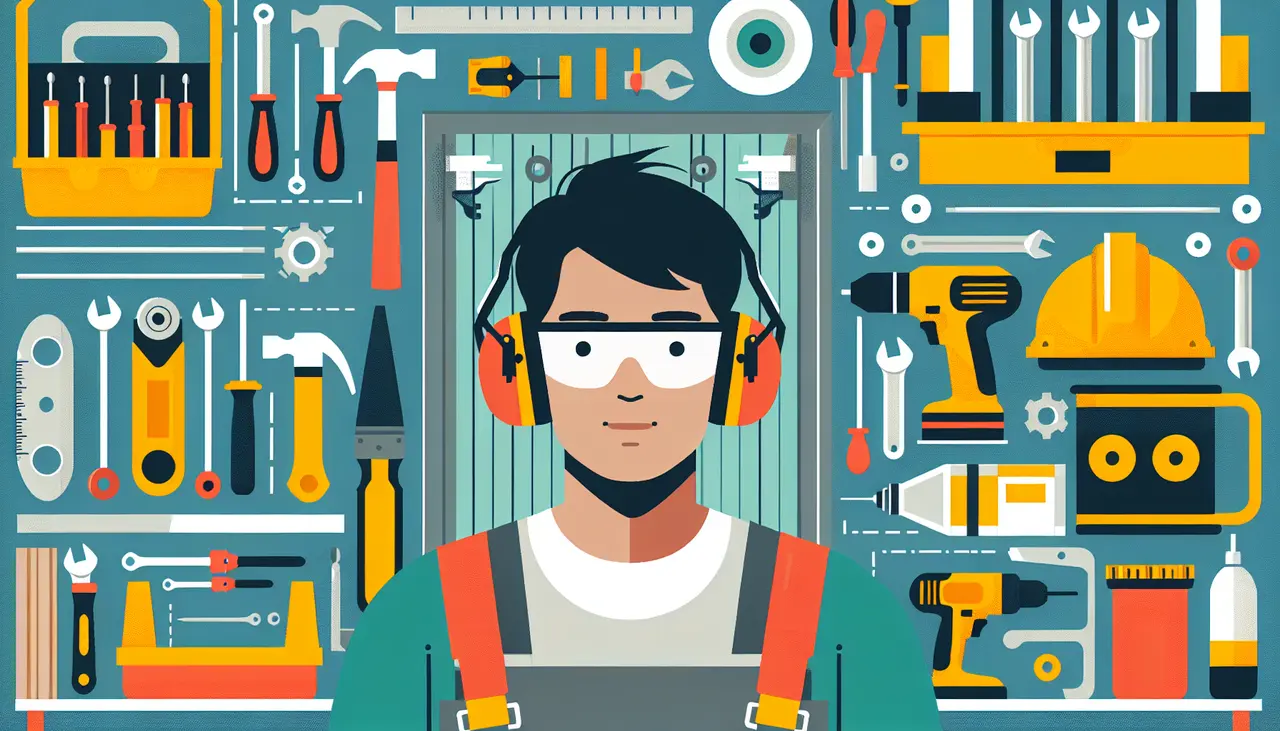
A Man Wearing Earmuffs and Safety Glasses for Protection

Understanding OSHA and Its Importance

The Occupational Safety and Health Administration (OSHA) is a federal agency responsible for ensuring safe and healthy working conditions. Their regulations and guidelines are designed to prevent workplace injuries, illnesses, and fatalities.

Founded in 1970, OSHA operates under the U.S. Department of Labor. The agency’s mission is to ensure that employers provide employees with working conditions that are free of known dangers. This involves setting and enforcing standards, providing training, and fostering partnerships to improve workplace safety.

One key aspect of OSHA’s role is the enforcement of standards. OSHA conducts workplace inspections and investigations to ensure compliance. They have the authority to issue fines and penalties if they find violations, which underscores the importance of adhering to their guidelines.

Key OSHA Standards Every Employer Should Know

There are several critical OSHA standards that apply to most workplaces, including General Duty Clause, Hazard Communication, and Personal Protective Equipment (PPE). Understanding these standards is essential for compliance.

The General Duty Clause requires employers to provide a workplace free from recognized hazards that are causing or likely to cause death or serious physical harm to employees. This overarching standard serves as a catch-all when no specific OSHA standard applies.

Hazard Communication, commonly known as HazCom, mandates that employers inform employees about hazardous chemicals they might be exposed to at work. This involves proper labeling, safety data sheets, and training on how to handle these chemicals safely.

Developing a Safety Program

Creating a comprehensive safety program is the foundation of OSHA compliance. This involves identifying potential hazards, conducting regular safety training, and implementing safety protocols.

Start by conducting a thorough hazard assessment to identify potential risks in the workplace. This can include anything from physical hazards like machinery and electrical systems to chemical hazards and ergonomic risks.

Once hazards are identified, the next step is to develop and implement safety protocols. This can include everything from emergency procedures and equipment maintenance schedules to proper usage of personal protective equipment (PPE). Regular safety training should also be conducted to ensure that all employees are aware of these protocols and know how to follow them correctly.

Conducting Regular Inspections and Audits

Regular inspections and safety audits help identify potential hazards before they become serious issues. Employers should schedule routine checks and address any identified risks promptly.

Inspections can range from daily visual checks to more detailed weekly or monthly audits. It’s essential to maintain an inspection log and follow up on any safety recommendations promptly to ensure continued compliance.

Involving employees in the safety inspection process can also be beneficial. They often have first-hand knowledge of potential hazards in their daily work environment, and their input can provide valuable insights that might otherwise be overlooked.

Understanding Employee Rights and Responsibilities

Employees have the right to a safe workplace and to report safety concerns without fear of retaliation. Employers should educate their staff on their rights and responsibilities under OSHA regulations.

Employees should be encouraged to report any unsafe conditions or workplace hazards they observe. Employers must then investigate these reports and take appropriate action to address any legitimate concerns.

Educating employees on their responsibilities, such as following safety procedures and using protective equipment properly, is also crucial. When everyone understands and upholds their role in maintaining a safe workplace, the overall safety culture is strengthened.

Handling Recordkeeping and Reporting

Proper recordkeeping and reporting are crucial components of OSHA compliance. Employers must maintain accurate records of work-related injuries and illnesses and report severe incidents promptly.

OSHA requires employers to keep records of any work-related injuries and illnesses that result in death, days away from work, restricted work, or transfer to another job, as well as other serious conditions. Maintaining these records helps track workplace safety performance over time.

Timely reporting is also essential. In the event of a severe incident, such as a fatality or hospitalization of an employee, employers must notify OSHA within a specified timeframe. Being prompt and accurate with reports can help mitigate potential penalties and improve workplace safety.

Staying Updated with OSHA Changes

OSHA regulations can change, and it’s important for employers to stay informed about any updates. Subscribing to OSHA newsletters and attending relevant training can help keep employers up-to-date.

Regularly checking the OSHA website for updates and utilizing resources like OSHA’s consultation services can help employers maintain compliance as regulations evolve. Staying proactive about these updates ensures that safety measures remain effective and current.

Additionally, encouraging a culture of ongoing education within the workplace can improve overall safety. Providing access to training and resources helps employees stay informed and prepared for any new or changing safety protocols.

Wrapping Up OSHA Compliance

While OSHA compliance might seem complex, taking it step-by-step can make it manageable. Ensuring a safe workplace not only meets legal requirements but also promotes a positive work environment. Remember, safety is a continuous process that benefits everyone.

The Role of Hearing Protection in Preventing Occupational Hearing Loss

Hearing loss due to occupational noise exposure is a significant concern across various industries, affecting millions of workers worldwide. However, with the right measures and awareness, it’s largely preventable. In this friendly chat, we’ll explore the pivotal role of hearing protection in safeguarding our ears from the hazards of workplace noise.

Understanding Occupational Hearing Loss

Occupational hearing loss is more common than most realize, with industries such as construction, manufacturing, and mining presenting the highest risks. The primary culprit? Prolonged exposure to loud noise, which, over time, can damage the delicate structures of the inner ear. This isn’t just about temporary discomfort; it’s a life-altering condition that can significantly impair one’s quality of life, yet it’s preventable with proper awareness and measures.

Interestingly, the mechanics of hearing loss are complex, yet understandable. Within our inner ears lay tiny hair cells, essential for transmitting sound to the brain. Prolonged exposure to high decibel levels can cause these cells to bend or break, leading to permanent damage. This condition doesn’t manifest overnight but gradually, making it crucial for workers and employers alike to stay vigilant about noise levels in their environments.

The Science Behind Noise-Induced Hearing Loss

Noise-induced hearing loss stems from the exposure to sounds above 85 decibels, a threshold at which sound begins to harm our hearing. This type of hearing loss is particularly insidious, as it can accumulate unnoticed over years of exposure, often without any immediate symptoms. Its progression is silent but swift, gradually reducing a person’s ability to hear higher frequencies, which can impede the ability to understand speech and lead to social isolation.

To delve deeper, when sound waves enter the ear, they vibrate the eardrum, creating movements in the tiny bones of the middle ear. These movements are transferred to the cochlea in the inner ear, where fluid transmits the vibrations to hair cells, which in turn send electrical signals to the brain. Prolonged exposure to loud sounds overwhelms this delicate system, leading to the hair cells’ damage and, consequently, hearing loss.

Types of Hearing Protection: A Simple Guide

When it comes to selecting hearing protection, options abound, each designed for specific environments and noise levels. From earmuffs that encompass the entire ear, offering comfort and ease of use, to earplugs that fit snugly inside the ear canal, providing a discreet yet effective barrier against noise. There’s also the option of specialized canals caps for those requiring intermittent protection, ensuring there’s a solution for every need.

Each type of hearing protector offers a different level of noise reduction, measured as a Noise Reduction Rating (NRR). Understanding this rating is key to selecting the most effective protection, as it quantifies the device’s ability to lower noise exposure. While earmuffs may offer a higher NRR, pairing them with earplugs, a practice known as dual protection, provides the utmost defense against extreme noise levels.

How to Select the Right Hearing Protection for Your Workplace

Selecting the right hearing protection is crucial and depends on the specific needs of the workplace. Factors to consider include the level of noise, the duration of exposure, and the need for communication among workers. It’s not a one-size-fits-all situation; the goal is to reduce noise exposure to a safe level while maintaining awareness of the environment and the ability to communicate.

Consultation with an audiologist or an occupational health professional can provide invaluable insights into choosing the right protection. Additionally, involving employees in the selection process not only ensures that the protection suits their needs but also increases the likelihood of consistent use. Remember, the best hearing protector is the one that’s worn correctly and consistently.

Incorporating Hearing Protection into Workplace Safety Culture

Fostering a culture of safety that includes hearing conservation is essential. It involves more than just providing the right equipment; it requires educating employees on the importance of hearing protection, conducting regular noise assessments, and making adjustments as necessary. Engaging employees in conversation about their experiences and feedback on the provided protection can lead to better compliance and a safer workplace overall.

Companies that lead in safety culture often incorporate hearing conservation into their training programs, emphasizing its importance right from the start. By doing so, they create an environment where safety, including hearing safety, is everyone’s responsibility. Success stories from such companies serve as a powerful reminder of what’s achievable when a comprehensive approach to hearing conservation is embraced.

Technological Advances in Hearing Protection

Technological innovations continue to revolutionize the field of hearing protection, offering new solutions to old problems. Recent advancements include hearing protectors that can adapt to different noise levels, offering dynamic protection. Additionally, the development of electronic earplugs that allow for clear communication while blocking harmful noise levels highlights the strides being made toward more efficient and comfortable hearing conservation methods.

Success Stories: Companies Leading the Way in Hearing Conservation

Several companies have set the benchmark in hearing conservation, implementing comprehensive programs that prioritize the well-being of their employees. These success stories often involve a combination of regular audits, cutting-edge protection gear, and ongoing training. The result? A dramatic reduction in incidences of occupational hearing loss, underscoring the effectiveness of proactive hearing conservation strategies.

Tuning Into the Future of Hearing Preservation

Occupational hearing loss is a serious issue but it’s one that we can combat with the right knowledge and tools. Hearing protection devices are our first line of defense against the relentless rumble of workplace noise. By choosing the correct protection, staying informed about our environments, and advocating for a culture of hearing safety, we can all contribute to a future where hearing loss is no longer a common occupational hazard.

10 OSHA Compliance Tools Every Workplace Needs

Ensuring a workplace meets OSHA guidelines is crucial for the safety and well-being of employees. However, keeping up with all the regulations can be overwhelming. Luckily, there are tools designed to make this task easier and more manageable. In this blog post, we’ll explore the essential OSHA compliance tools every workplace should have to maintain a safe and compliant environment.
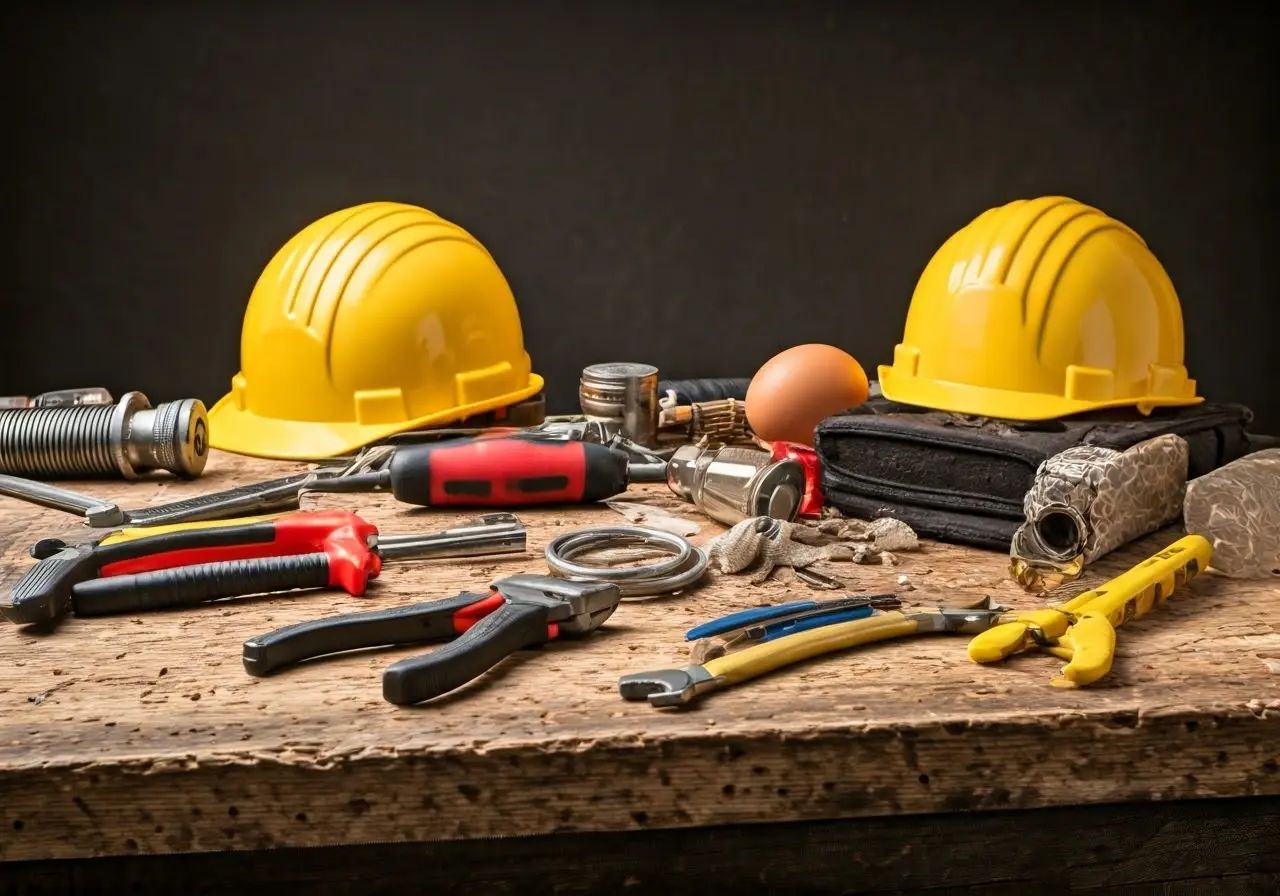
1. Digital Safety Management Systems

Digital safety management systems provide a comprehensive platform to monitor, report, and analyze safety data. They help in ensuring that all aspects of workplace safety are covered, from incident management to safety training. These systems allow you to create detailed reports and track safety metrics in real-time, aiding in swift decision-making and regulatory compliance. Many digital systems also offer cloud-based solutions, ensuring that your data is secure and accessible from anywhere.

A significant benefit of using digital safety management systems is enhanced record-keeping capabilities. Regular updates, transparent logs, and automated alerts ensure that no safety measures are overlooked. These systems help streamline OSHA compliance by keeping track of safety audits, inspections, and training sessions. Moreover, they minimize paperwork and reduce the likelihood of human error, making safety management more efficient.

Furthermore, an integrated approach to safety management incorporates various modules that cater to comprehensive compliance needs. For instance, you can manage industrial hygiene, occupational health, and safety protocols all under one umbrella. The ability to customize modules based on your organization’s specific requirements makes digital safety management systems an invaluable tool for maintaining a safer work environment.

2. Audit and Inspection Tools

Regular audits and inspections are essential for OSHA compliance. These tools help in identifying potential hazards and ensure that safety standards are consistently met. Whether you’re conducting internal audits or preparing for an OSHA inspection, having the right tools can simplify these processes significantly.

Modern audit and inspection tools often come equipped with mobile capabilities, allowing safety officers to perform audits directly from their smartphones or tablets. This on-the-go functionality is especially useful in larger facilities where moving from one location to another can be time-consuming. Audit tools can include checklists, scoring systems, and even photo evidence collection to document safety conditions accurately.

Utilizing advanced inspection software helps in maintaining accurate records of each audit conducted. These tools offer valuable insights through data analytics, helping you identify recurring safety issues and areas requiring immediate attention. The regular use of audit tools fosters a culture of safety within the organization, ensuring proactive identification and mitigation of risks.

3. Employee Training Software

Comprehensive training software can be used to educate employees on OSHA standards and proper safety procedures. This ensures everyone is knowledgeable about workplace safety policies and practices. By offering a structured learning environment, these tools help employees understand their roles in maintaining a safe workplace.

Employee training software often includes interactive modules, quizzes, and certifications to reinforce learning. Foster Special Instruments offers specific courses that ensure employees and healthcare professionals become proficient in operating screening instruments like audiometers and spirometers. Access to such training programs can significantly reduce workplace incidents and foster a culture of continuous learning.

Additionally, modern training platforms allow for the customization of training programs to meet the unique needs of your industry. For instance, construction companies can have tailored modules focusing on high-risk areas, like scaffolding and fall protection, while manufacturing firms could focus more on machinery safety. This targeted approach ensures the training is impactful and relevant, enhancing overall workplace safety.

4. Incident Reporting Systems

Efficient incident reporting systems enable quick and easy documentation of workplace incidents. This is crucial for maintaining records and identifying trends that could point to areas needing improvement. Immediate reporting helps in prompt investigation and corrective actions, thereby preventing similar future incidents.

Incident reporting tools often come with user-friendly interfaces, making it easier for employees to file reports. These systems can classify incidents by severity, type, and location, providing an in-depth analysis of the root causes. Enhanced reporting leads to better preventive measures and a more secure work environment.

By having a robust incident reporting system, organizations can ensure that all incidents are documented and reviewed. This not only helps in meeting OSHA compliance standards but also provides valuable data for continuous improvement. Over time, a comprehensive incident reporting system becomes a cornerstone of a proactive safety culture.

5. Personal Protective Equipment (PPE) Management Tools

PPE management tools help track the distribution and use of personal protective equipment, ensuring that employees have access to the necessary safety gear and that it is in good condition. Proper management of PPE is crucial in industries where workers are exposed to hazardous conditions.

These tools often come with inventory management features, helping you keep track of PPE stock levels and expiration dates. Alerts can be set to notify you when stock is running low or when equipment needs to be replaced. This proactive approach ensures that employees are never without essential protective gear.

6. Chemical Management Software

Handling chemicals requires strict adherence to safety guidelines. Chemical management software helps in tracking chemicals, ensuring proper storage, and providing easy access to safety data sheets. This software ensures that chemical use complies with OSHA regulations and that all relevant information is readily available to employees.

Such software often contains built-in regulatory compliance checks, helping organizations stay up-to-date with evolving safety standards. It also aids in emergency response planning by providing instant access to chemical inventories and their associated hazards.

7. Ergonomic Assessment Tools

Ergonomic assessment tools help identify and mitigate ergonomic risks in the workplace, which can prevent injuries related to repetitive strain and poor posture. These tools are essential for designing workstations that promote good ergonomics, enhancing employee comfort and productivity.

Advanced ergonomic tools often include features like posture analysis, workstation layout recommendations, and employee questionnaires. By conducting regular ergonomic assessments, organizations can identify potential issues early and implement corrective measures to prevent injuries.

8. Noise Monitoring Devices

Excessive noise can be a significant workplace hazard. Noise monitoring devices help measure sound levels and ensure they remain within safe limits as prescribed by OSHA. These devices are crucial in industries such as construction, manufacturing, and entertainment, where noise exposure is prevalent.

Modern noise monitoring devices come with real-time monitoring capabilities, alerting employees and management when noise levels exceed safe thresholds. This proactive approach helps in taking immediate action to reduce noise exposure and protect employee hearing.

9. Air Quality Monitoring Solutions

Maintaining good air quality is essential for employee health. Air quality monitoring solutions can track the levels of dust, fumes, and other airborne contaminants, ensuring that the work environment remains safe. These solutions are particularly important in industries such as mining, manufacturing, and healthcare.

By using advanced sensors and real-time data analytics, air quality monitoring systems provide actionable insights to improve indoor air quality. Employers can take immediate corrective actions, such as improving ventilation or using air purifiers, based on the data collected.

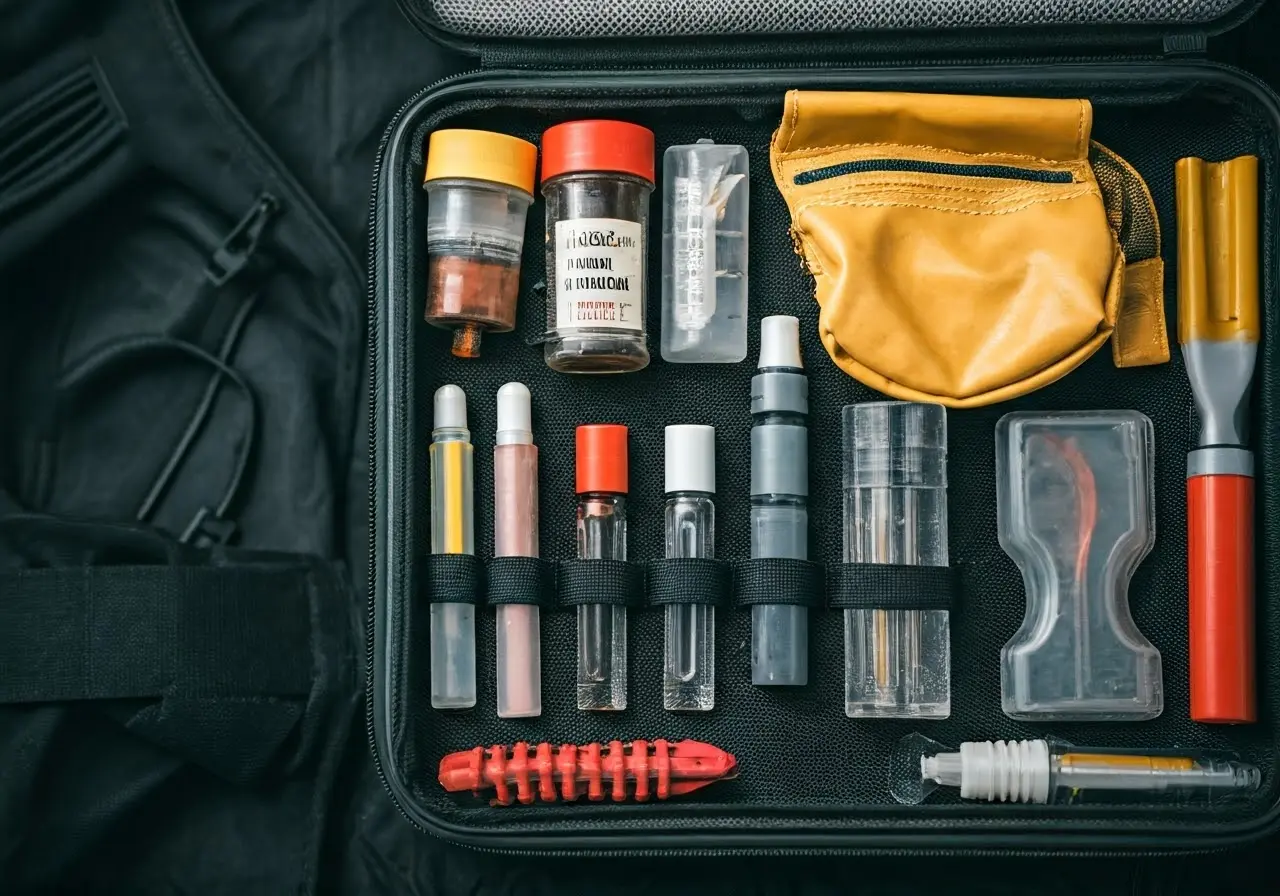
10. Emergency Preparedness Kits

Having well-prepared emergency kits in place is crucial for handling unforeseen incidents. These kits should include first-aid supplies, emergency contact information, and instructions on what to do in various emergency scenarios. Ensuring that these kits are easily accessible and regularly updated can save lives and reduce the severity of injuries during emergencies.

Emergency preparedness kits are an essential component of any workplace safety plan. They enable quick response actions and make sure that employees have the necessary tools and information to handle emergencies effectively. Regular drills and training sessions can help employees familiarize themselves with the contents and use of these kits.

Why Is Emergency Equipment Crucial for Workplace Safety?

Ensuring workplace safety is a top priority for any organization. One essential aspect of maintaining a safe work environment is the presence of emergency equipment. In this blog, we’ll explore why having the right emergency equipment is crucial for workplace safety and how it helps in mitigating risks.

What is Emergency Equipment?

Emergency equipment refers to the tools and devices that are designed to help in the event of an emergency. This can include fire extinguishers, first aid kits, automated external defibrillators (AEDs), and emergency showers, among others.

These tools are specifically designed to tackle a wide range of emergencies, from fire outbreaks to sudden medical conditions. For instance, fire extinguishers are essential in quickly addressing small fires before they escalate into uncontrollable blazes. Similarly, first aid kits contain the necessary supplies to address minor injuries or stabilize a person until professional medical help arrives.

Moreover, automated external defibrillators (AEDs) are crucial for responding to cardiac emergencies. These devices can be used by both trained personnel and bystanders to provide life-saving shocks to individuals experiencing sudden cardiac arrest. The presence of emergency equipment like AEDs can mean the difference between life and death.

Why is Emergency Equipment Important?

Emergency equipment is crucial because it can save lives and prevent minor injuries from escalating into serious ones. It allows for a quick response to emergencies, which is essential in reducing the impact of an incident.

For example, the timely use of a fire extinguisher can prevent a fire from spreading, minimizing damage and potential injuries. Immediate access to a first aid kit can provide the necessary care for cuts, burns, or other minor injuries, preventing them from becoming more severe.

Quick access to emergency equipment also reduces the burden on emergency services. When minor incidents are managed effectively on-site, it allows professional responders to focus on more severe emergencies, ultimately creating a more efficient system for everyone.

Regulatory Requirements

Various laws and regulations require workplaces to have specific emergency equipment on site. Compliance with these regulations not only ensures legal protection but also reinforces the importance of safety in the workplace.

Organizations that fail to comply with these regulations risk facing significant fines and legal consequences. Moreover, non-compliance can lead to serious harm or fatal incidents, which can have severe repercussions for both the employer and employees.

Beyond legal obligations, adhering to safety regulations demonstrates an organization’s commitment to employee well-being. It shows that the organization values its workforce and is willing to invest in measures that ensure their safety.

Types of Emergency Equipment

Common types of emergency equipment include fire extinguishers, first aid kits, AEDs, emergency showers, and eye wash stations. Each of these serves a specific purpose in responding to different kinds of emergencies.

Fire extinguishers are perhaps the most recognized form of emergency equipment. They come in various types, each designed to combat specific kinds of fires. For example, Class A extinguishers are effective against ordinary combustibles, while Class C extinguishers are suitable for electrical fires.

First aid kits are another essential component. These kits usually contain items such as bandages, antiseptics, scissors, and burn creams. They are designed to provide immediate attention to injuries and can be customized based on the specific needs of the workplace.

Automated external defibrillators (AEDs) are critical for cardiac emergencies. These portable devices are designed to analyze the heart’s rhythm and deliver an electric shock, if necessary, to help the heart re-establish an effective rhythm.

Training and Maintenance

Having the equipment is not enough; regular training and maintenance are essential. Employees should be trained on how to use the emergency equipment, and routine checks should be conducted to ensure that all devices are in working order.

For instance, first aid training is essential for employees to effectively use the supplies within a first aid kit. Similarly, fire safety training provides guidelines on how to operate fire extinguishers properly and safely.

Maintenance is equally important. Regular inspections can identify potential issues that might render emergency equipment ineffective. For example, fire extinguishers should be checked periodically to ensure they are fully charged and in good condition.

Training programs are available to ensure employees are well-equipped to handle emergencies, further solidifying the organization’s commitment to workplace safety.

Boosting Employee Confidence

When employees know that their workplace is equipped with the necessary emergency equipment, they feel more secure and confident. This can lead to increased productivity and overall job satisfaction.

Confidence in workplace safety measures encourages employees to focus on their tasks without the nagging worry of potential hazards. It fosters a culture of safety where employees feel valued and cared for.

Knowing that an organization takes safety seriously can also enhance employee loyalty and retention. Employees are more likely to stay with an employer that demonstrates a commitment to their well-being.

Additionally, having on-site services like hearing testing and respiratory fit testing can further boost employee confidence, as these show proactivity in maintaining their health.

Final Thoughts

In conclusion, having the right emergency equipment in place is a vital component of workplace safety. It not only helps in minimizing injuries and saving lives but also ensures compliance with regulations and boosts employee confidence. Regular maintenance and training further enhance the effectiveness of emergency equipment, creating a safer work environment for everyone.

The Importance of OSHA Compliance Services for Employee Health

Occupational Safety and Health Administration (OSHA) compliance is crucial in creating a safe and healthy workplace environment. For businesses, it can seem complex, but understanding and implementing the right services can significantly safeguard employee well-being and foster a culture of safety. In this blog, we will explore how OSHA compliance services play a vital role in maintaining employee health and ensuring organizational success.

Understanding OSHA and its Role

The OSHA was established to ensure that safe and healthful working conditions are provided for every worker in the country. By developing and enforcing standards, OSHA plays a crucial role in reducing workplace hazards and implementing the best practices for employee safety.

OSHA’s standards cover a broad spectrum of workplace safety concerns. From hazardous materials to machinery risks, they provide detailed regulations that employers must adhere to. These guidelines aim to prevent incidents that could result in severe injuries or fatalities, creating a framework for workplace safety that companies can rely on. Engaging with OSHA compliance not only helps businesses avoid legal repercussions but also fosters a culture where employee safety is paramount.

Furthermore, OSHA provides training, outreach, and educational programs to ensure that employers and employees understand the necessary safety protocols. These efforts are crucial in maintaining awareness about new safety measures and standards, especially as workplace environments evolve with technological advances. Resources like the OSHA Compliance Program are invaluable for organizations seeking expert guidance and ongoing support to adhere to OSHA’s evolving standards.

The Key Components of OSHA Compliance Services

OSHA compliance services typically include training sessions, workplace inspections, and consultation services. These components ensure that employees are aware of safety protocols, workspaces are free from hazards, and organizations have the necessary support to meet regulatory requirements.

One of the critical elements of these services is comprehensive training programs that educate employees about safety protocols and best practices. This training is vital in empowering employees with the knowledge they need to safely navigate potential hazards in their work environment. For instance, participating in Foster Special Instruments’ classes can greatly enhance skills in equipment operation, ensuring high proficiency in screening instruments crucial for occupational health.

Regular workplace inspections are another pivotal aspect of OSHA compliance services. By conducting thorough evaluations, businesses can identify and mitigate risks before they lead to adverse incidents. Such proactive measures often include partnering with external experts like those at Steri-Safe, who offer mock inspections and tailored recommendations for safety improvements.

How OSHA Compliance Contributes to Employee Health

Adhering to OSHA standards directly impacts employee health by minimizing the risk of workplace injuries and illnesses. By promoting safety practices and providing the necessary tools and resources, businesses can create a healthier work environment for everyone.

OSHA standards encompass a range of preventative measures, including the use of personal protective equipment (PPE), safe material handling practices, and emergency preparedness. These initiatives are essential in safeguarding employees from common workplace hazards such as chemical spills or ergonomic injuries. Through strategic partnerships with Foster Special Instruments, companies can enhance their compliance efforts with targeted services like on-site hearing testing, ensuring employee well-being is consistently prioritized.

The Benefits of Implementing OSHA Compliance Services

Implementing OSHA compliance services not only reduces the likelihood of legal issues but also boosts employee morale and productivity. By fostering a safe workplace, businesses can benefit from reduced absenteeism, lower accident-related costs, and a reputation as a caring employer.

An organization’s commitment to safety resonates well with the workforce, promoting higher levels of satisfaction and loyalty among employees. This dedication to employee welfare can translate into tangible advantages such as better employee retention rates and a more motivated team. Furthermore, when businesses integrate solutions like those provided by Healthcare Compliance Pros, they ensure comprehensive protection for their staff, which ultimately bolsters productivity and company performance.

Overcoming Challenges in OSHA Compliance

While maintaining compliance can be challenging due to evolving regulations and resource constraints, seeking expert guidance and prioritizing employee engagement can aid in overcoming these hurdles. With the right approach, businesses can effectively manage compliance and enhance their operational efficiency.

The dynamic nature of OSHA standards necessitates continual updates to compliance strategies, which can seem daunting. However, by leveraging resources such as those from Steri-Safe® OSHA Compliance Solutions, businesses can simplify the compliance process through tailored programs that address specific needs. Engaging employees through interactive training programs also empowers them to uphold safety measures and report risks proactively, thus fostering a collaborative safety culture.

The Value of Prioritizing OSHA Compliance

In conclusion, prioritizing OSHA compliance not only ensures a legally compliant workplace but also demonstrates a company’s commitment to employee well-being. Investing in these services creates a safer, healthier, and ultimately more productive work environment. As businesses navigate the complexities of compliance, understanding its profound impact on employee health reinforces the value of these essential services.