The Importance of Toxic Gas Monitoring in Creating a Safe Workplace
In the effort to create a safe workplace, monitoring toxic gases plays a crucial role. Ensuring the air we breathe is free of harmful pollutants is not only vital for health but also for overall productivity and workplace morale. In this blog, we’ll explore why toxic gas monitoring is so important, what types of toxic gases you should be aware of, and how modern technology is making it easier than ever to ensure a safe working environment.
Understanding Toxic Gases in the Workplace
Before diving into the importance of monitoring, it’s essential to understand what toxic gases are and where they come from. Common toxic gases found in workplaces include carbon monoxide, hydrogen sulfide, and ammonia. These gases can be released during manufacturing processes, as by-products of fuel combustion, or through other industrial activities.
Carbon monoxide is a colorless, odorless gas often produced by burning fossil fuels. It’s particularly dangerous because it can accumulate without detection, leading to poisoning. Hydrogen sulfide, known for its ‘rotten egg’ smell, is another hazardous gas that can arise from sewage and decomposing organic matter, posing significant risks in wastewater plants and agriculture. Lastly, ammonia is widely used in refrigeration and cleaning agents but can cause respiratory issues and skin irritation upon exposure.
Understanding these sources and their potential impact allows workplaces to pinpoint areas of concern. Identifying hotspots where toxic gases are likely to be emitted can help in the strategic placement of monitoring devices. Whether it’s in confined spaces where gases may accumulate or near machinery that could emit harmful substances, having a clear understanding of gas origins is the foundation of any effective monitoring strategy.
Health Implications of Toxic Gas Exposure
Exposure to toxic gases can have serious health implications, ranging from headaches and dizziness to more severe conditions like respiratory illnesses and even death. Prolonged exposure can lead to chronic health issues, making it crucial for workplaces to monitor and mitigate these risks effectively.
For instance, long-term exposure to carbon monoxide can result in neurological damage, affecting cognitive function and leading to memory issues. Acute exposure to high levels of hydrogen sulfide can cause immediate respiratory collapse, while lower concentrations over prolonged periods can result in chronic bronchitis and other lung diseases. Similarly, ammonia, when inhaled in large amounts, can cause severe irritation of the throat and respiratory tract, leading to coughing, wheezing, and chest pain.
Understanding these health impacts underscores the importance of prompt detection and action. Immediate symptoms like eye irritation, shortness of breath, or nausea should never be ignored, as they could be early signs of toxic gas exposure. By raising awareness about these health implications, organizations can foster a more vigilant workforce that prioritizes air quality and personal safety.
Legal Requirements and Guidelines for Air Quality
There are stringent regulations and guidelines in place to ensure workplace air quality. Organizations like OSHA (Occupational Safety and Health Administration) have set permissible exposure limits for various toxic gases. Compliance with these regulations not only ensures a safe working environment but also protects companies from legal liabilities.
The guidelines set by OSHA and other regulatory bodies are based on extensive research and are designed to protect workers from the known hazards of toxic gas exposure. For example, OSHA has established permissible exposure limits (PELs) for substances like carbon monoxide, which is set at 50 parts per million (ppm) for an 8-hour workday. Regular air quality assessments ensure that these limits are not exceeded, promoting a safer work environment.
Failing to adhere to these regulations can lead to severe consequences, including hefty fines and, in extreme cases, the shutdown of operations. More importantly, non-compliance can endanger the lives of employees, leading to long-term health problems or even fatal incidents. Therefore, understanding and following legal requirements is not just about avoiding penalties but fundamentally about safeguarding human health.
Modern Monitoring Technologies
Advancements in technology have made it easier to continuously monitor air quality. Portable gas detectors, fixed monitoring systems, and IoT-based solutions allow for real-time monitoring and prompt detection of any hazardous gas levels. These tools are becoming increasingly sophisticated, providing accurate readings and alerts to ensure timely action.
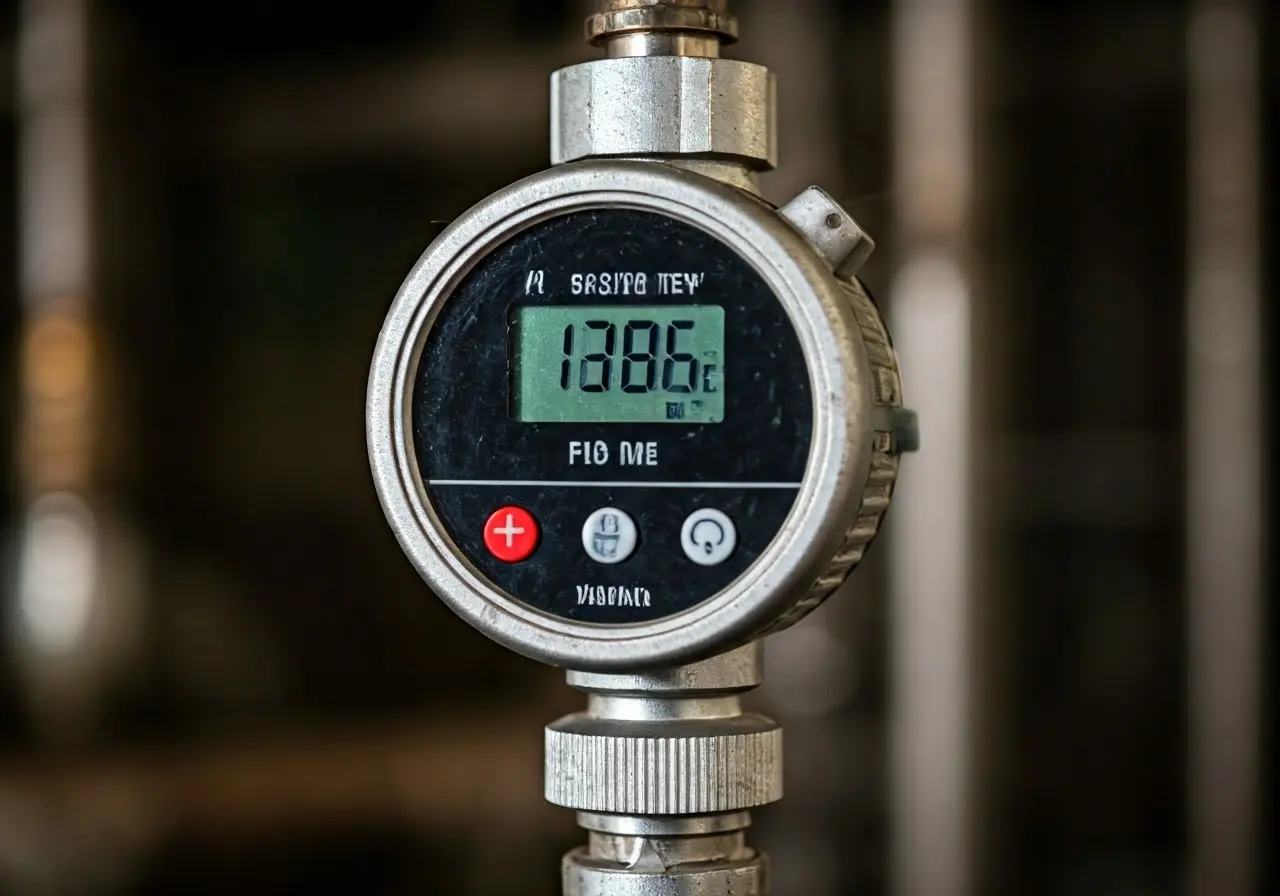
Portable gas detectors are versatile and can be used across various locations, ensuring that workers are protected whether they are in confined spaces or regularly moving around different areas. These devices are equipped with sensors that can detect specific gases and often come with alarms that trigger when dangerous levels are reached. This immediate feedback allows workers to evacuate the area or take necessary actions to control the leak.
Fixed monitoring systems, on the other hand, are ideal for continuous surveillance of specific areas prone to gas emissions. These systems can be integrated into a workplace’s existing infrastructure and provide constant data on air quality. Coupled with IoT technology, these systems can transmit data to central control units or even mobile devices, ensuring that management and safety teams are always informed about the real-time conditions of their workplace.
Implementing a Monitoring Strategy
Creating an effective toxic gas monitoring strategy involves multiple steps, including identifying potential gas sources, selecting appropriate monitoring equipment, and regularly calibrating and maintaining these devices. Employee training and emergency response plans are also vital components of an overall safety strategy.
The first step is to conduct a thorough risk assessment to identify all possible sources of toxic gases within the workplace. This involves examining industrial processes, equipment, storage areas, and any locations where chemical reactions could occur. Once these sources are identified, the next step is selecting the right monitoring equipment suited to the specific types of gases present.
Regular maintenance and calibration of monitoring devices are crucial to ensure their accuracy and reliability. Many modern devices come with self-checking features, but periodic manual checks are still recommended. It’s also essential to keep records of all maintenance activities to track performance and identify any recurring issues.
Finally, having a well-defined emergency response plan is vital. This includes clear procedures for evacuating the area, communicating with emergency services, and providing first aid to affected individuals. Regular drills and training sessions ensure that all employees are familiar with these procedures and can act swiftly in case of an actual emergency.
The Role of Employee Education and Training
Employees play a critical role in maintaining a safe workplace. Regular training sessions on how to use monitoring equipment, recognizing the signs of toxic gas exposure, and understanding emergency procedures can lead to quicker responses and potentially save lives. An informed workforce is a safer workforce.
Training programs should be comprehensive and cover all aspects of toxic gas safety. This includes practical demonstrations on using monitoring devices, understanding the different types of alarms, and interpreting the data these devices provide. Hands-on training helps employees feel more confident and competent in handling safety equipment.
Beyond equipment handling, workers should also be trained to recognize the early signs of toxic gas exposure, such as unusual smells, eye irritation, and respiratory distress. Knowing these symptoms can prompt immediate action, reducing the risk of prolonged exposure and serious health consequences.
Regular drills simulate real-life scenarios, helping employees practice their responses in a controlled environment. These drills should involve everyone, from floor workers to management, ensuring that all levels of the organization are prepared. Continuous education and training reinforce the importance of safety and keep employees aware of the latest standards and technologies in toxic gas monitoring.
Prioritizing Safety with Effective Toxic Gas Monitoring
In conclusion, toxic gas monitoring is an essential aspect of ensuring workplace safety. By understanding the types of toxic gases, the impact they have on health, and the methods available for detection, employers can take proactive steps to protect their employees. Investing in reliable monitoring systems and fostering a culture of safety can lead to a healthier, more productive workplace. Keeping an eye on air quality isn’t just a legal requirement, but a moral responsibility towards those who spend a significant portion of their day within the workplace environment.