Ensuring Employee Health: A Closer Look at Audiometric Testing Services
In today’s work environments, employee health and safety have become a top priority. One critical aspect of this is audiometric testing, which focuses on monitoring and protecting workers’ hearing abilities. This blog will delve into the importance of audiometric testing services, offering a clear understanding of what these services entail and how they can benefit both employees and employers.
Understanding Audiometric Testing
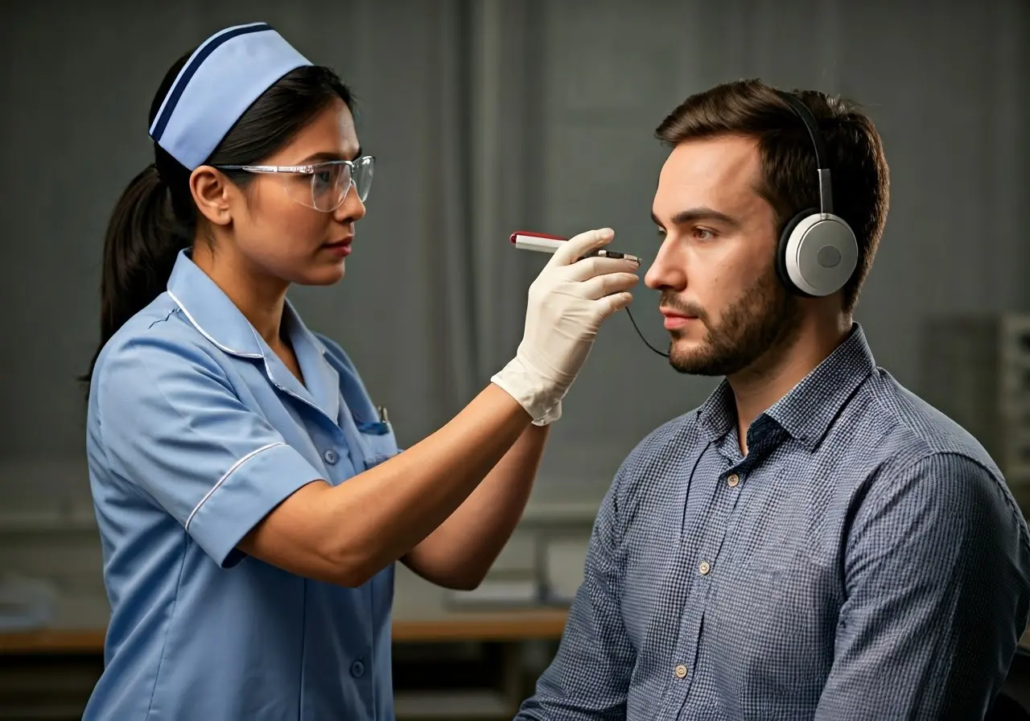
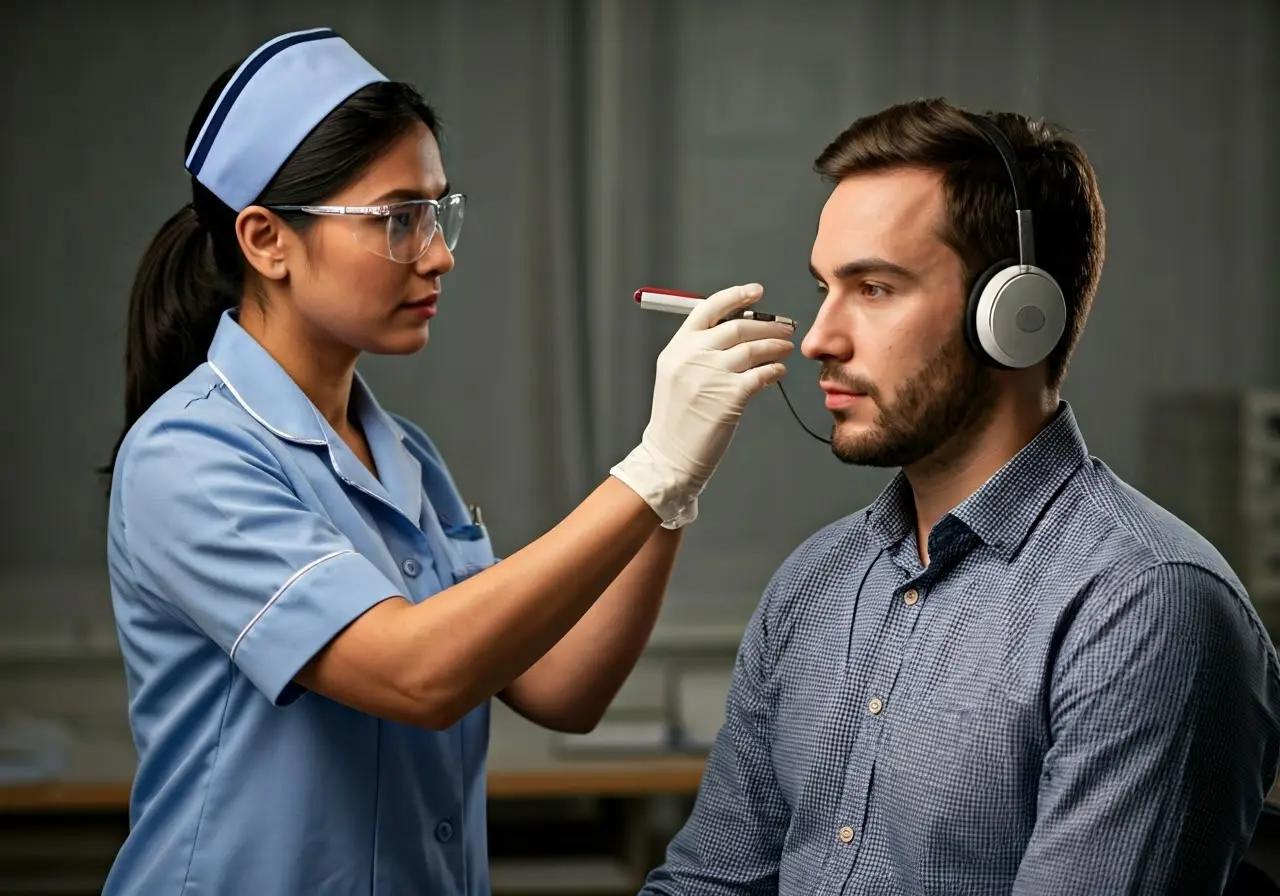
Audiometric testing is a method used to evaluate an individual’s hearing ability. Typically, this process involves a series of tests that measure different aspects of hearing, from distinguishing between different tones to recognizing speech in various environments. These tests are crucial in identifying early signs of hearing loss.
The process begins with a baseline test, which offers an initial measure of an individual’s hearing capabilities. This baseline is crucial as it serves as a reference point for future tests. Regular follow-ups are then conducted to monitor any changes or deterioration in hearing. By comparing these tests over time, audiologists can detect even minor shifts in hearing ability, which might otherwise go unnoticed. This early detection is critical as it allows for timely interventions that can prevent further hearing loss.
Different types of audiometric tests are utilized to cover various aspects of hearing. Pure-tone audiometry, for instance, is a standard test where individuals listen to tones at different frequencies and volumes to identify the quietest sound they can hear. Speech audiometry assesses the ability to hear and comprehend speech, which is vital in daily communications. These comprehensive tests provide a full picture of one’s hearing health, ensuring no aspect is overlooked.
Moreover, the testing environment is designed to be soundproof, eliminating any background noise that might interfere with the results. This ensures that the data collected is accurate and reliable. The role of the audiologist is also significant; their expertise and ability to interpret the test results are paramount in diagnosing any hearing issues and suggesting appropriate measures. This personalized approach ensures that each individual receives the care and attention they need.
The Importance of Hearing Conservation
Hearing conservation programs are essential in workplaces where noise levels are high. Such programs aim to preserve hearing and prevent noise-induced hearing loss (NIHL). Audiometric testing is a significant component of these programs, helping to identify individuals who may be at risk and ensuring appropriate measures are taken to mitigate these risks.
Implementing a comprehensive hearing conservation program goes beyond just testing. It involves educating employees about the risks of exposure to loud noises and the importance of using hearing protection. Training sessions can be organized to teach workers how to correctly use earplugs or earmuffs, ensuring they get maximum benefit from these protective devices. Awareness and education are key factors in changing attitudes towards hearing conservation and promoting a culture of safety.
A robust hearing conservation program also includes regular environmental noise assessments. These assessments help in identifying areas within the workplace where noise levels are excessively high. By pinpointing these hotspots, companies can implement engineering controls, such as sound barriers or modifications to machinery, to reduce noise pollution. Administrative controls, like rotating employees to limit their exposure duration, can also be effective measures.
Monitoring and maintaining the program’s effectiveness is an ongoing process. Regular audits and reviews are necessary to ensure the program adapts to any changes in the work environment or operational processes. Feedback from employees is crucial in this regard, as it provides insights into the program’s practical application and areas that may need improvement. An effective hearing conservation program is dynamic and responsive, continuously evolving to meet the needs of the workforce.
Benefits for Employees
Employees benefit significantly from audiometric testing services. Early detection of hearing issues can lead to timely interventions, reducing the chances of long-term damage. Moreover, regular testing raises awareness about hearing health and promotes proactive behaviors to protect hearing, enhancing overall quality of life both inside and outside the workplace.
Timely identification of hearing issues not only prevents further damage but also allows for corrective measures, such as the use of hearing aids or other assistive devices. This can dramatically improve an individual’s ability to communicate effectively, reducing the risk of isolation and associated mental health issues, which can stem from untreated hearing loss. By addressing hearing problems early, employees can maintain their productivity and engagement at work.
In addition to the physical benefits, regular hearing tests can also provide peace of mind. Knowing that their employer is actively monitoring and caring for their hearing health can reduce employee stress and improve overall job satisfaction. When employees feel valued and cared for, it often leads to increased morale and a stronger commitment to their roles, fostering a positive work environment.
Furthermore, employees who participate in audiometric testing services are more likely to develop good hearing habits outside of work. This can include turning down the volume on personal audio devices, using ear protection at loud events, and being more conscious of environments that could potentially harm their hearing. These proactive behaviors extend the benefits of the workplace hearing conservation program into their personal lives, promoting overall well-being.
Advantages for Employers
For employers, offering audiometric testing services demonstrates a commitment to employee well-being and adherence to occupational health standards. It can also lead to enhanced productivity, as employees with good hearing are less likely to face communication barriers or related stresses. Furthermore, audiometric testing can help in reducing workers’ compensation claims related to hearing loss.
Investing in audiometric testing services can also contribute to a positive company image. Companies that prioritize employee health and safety are often seen as responsible and caring employers, which can enhance their reputation in the industry. This can be beneficial in attracting new talent and retaining existing employees. In a competitive job market, such initiatives can make a significant difference in an organization’s ability to build and maintain a strong, dedicated workforce.
Moreover, by preventing hearing loss through regular testing and implementing effective hearing conservation programs, companies can minimize downtime and avoid the costs associated with hearing-related claims. These savings can be substantial when considering the long-term implications of untreated hearing loss. A proactive approach to employee health not only enhances overall well-being but also supports the company’s financial health.
Audiometric testing can also contribute to safer work environments. Employees with better hearing are more likely to detect warning signals or communicate effectively in critical situations. This can reduce the risk of accidents and improve overall safety standards within the workplace. Ensuring that all employees have proper hearing protection and regular monitoring is an integral part of maintaining a safe and productive work environment.
Implementing an Effective Audiometric Testing Program
To implement an effective audiometric testing program, companies should establish clear protocols, including regular testing schedules and follow-up procedures for employees with potential hearing issues. Collaboration with certified audiologists and providing adequate training for employees on the importance of hearing protection are also critical aspects of a successful program.
Start by conducting a comprehensive assessment of the workplace to identify areas with high noise levels. This initial assessment is crucial for understanding the specific needs of your workforce and tailoring the audiometric testing program accordingly. Once this baseline is established, develop a detailed plan outlining the frequency of tests and the procedures to be followed. This plan should be communicated clearly to all employees to ensure transparency and cooperation.
Working closely with certified audiologists ensures that the testing process is conducted accurately and professionally. These experts can provide valuable insights into interpreting test results and recommend appropriate measures for employees who demonstrate signs of hearing loss. Additionally, audiologists can assist in training programs, teaching employees how to protect their hearing both at work and in their personal lives.
Training is a vital component of any audiometric testing program. Employees need to understand the risks associated with high noise levels and the steps they can take to protect their hearing. Regular workshops or informational sessions can be organized to keep the workforce informed and engaged. Providing practical demonstrations on the correct use of hearing protection devices can also be beneficial, ensuring that employees use these tools effectively.
Wrapping Up: The Value of Audiometric Testing Services
Audiometric testing services play a vital role in maintaining a healthy and productive workforce. By regularly monitoring hearing health, companies can prevent long-term hearing loss, ensure compliance with regulations, and promote overall employee wellness. Investing in these services is not just about adherence to rules but also about showing a commitment to your employees’ well-being. With the proper audiometric testing protocol, everyone benefits.

