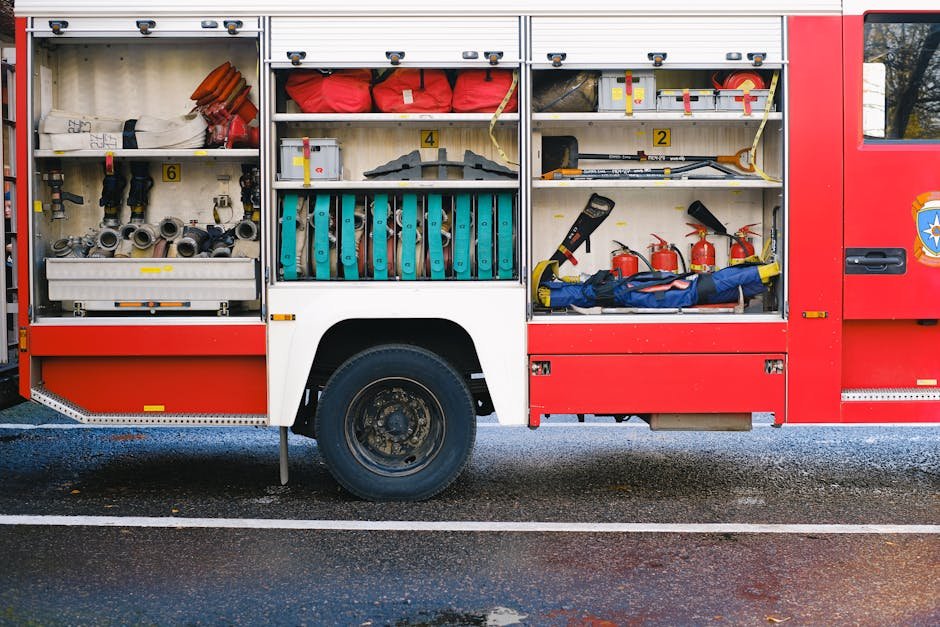
5 Steps to Ensure Your Emergency Equipment Meets OSHA Standards
When disaster strikes, the readiness of your emergency equipment can make all the difference. Ensuring compliance with OSHA standards is not just about ticking checkboxes—it’s about safeguarding lives.

1. Conduct a Comprehensive Risk Assessment
The first and perhaps the most crucial step in ensuring your emergency equipment meets OSHA standards is conducting a detailed and thorough risk assessment. This involves identifying potential hazards within the workplace that could result in emergencies or disasters. It is essential to consider all types of emergencies, from fires and floods to chemical spills and natural disasters, to ascertain the specific types of emergency equipment needed.
The outcome of this risk assessment will directly influence the kinds of emergency equipment you’ll need to have on hand. It’s not just about having firefighting equipment; it’s about understanding the layout of your premises, the number of employees, and specific risks associated with your operations. These details are vital in creating a comprehensive emergency response strategy.
2. Understand and Implement OSHA Requirements
Understanding OSHA requirements is pivotal. OSHA provides detailed standards and guidelines covering the various aspects of emergency equipment, from types, maintenance standards, placement, and accessibility. Familiarize yourself with regulations related to fire extinguishers, emergency exits, alarm systems, and other emergency response tools relevant to your business.
Specifically, the OSHA 1910.157 standard provides guidelines for portable fire extinguishers, including requirements for selection, distribution, maintenance, and testing. Implementing these requirements ensures not only compliance but also enhances safety protocols within your workplace.
3. Regularly Inspect and Maintain All Equipment
Emergency equipment maintenance is not a one-time task but a continuous responsibility. Regularly scheduled inspections and maintenance are key to ensuring that all equipment is in working order. This includes checking fire extinguishers, alarm systems, emergency lighting, and other safety gear for functionality and compliance.
Scheduled maintenance should include tests for operational efficiency, checking for damages or expirations, and ensuring that all equipment is easily accessible during an emergency. Keeping maintenance records is also critical, as it provides documentation of compliance with OSHA standards.
4. Provide Proper Training to Employees
Having the right emergency equipment is just one part of the equation. Equally important is ensuring that employees are properly trained to use this equipment efficiently. Training should cover operation procedures for emergency tools, evacuation routes, and emergency response strategies.
OSHA recommends that training sessions be conducted regularly to keep all employees abreast of their roles and responsibilities during an emergency. This training ensures that in the event of an actual emergency, your workforce is not only protected by the right equipment but is also prepared to respond appropriately.
5. Establish a Clear Emergency Response Plan
A clear and detailed emergency response plan is essential for ensuring a coordinated response to any emergency. This plan should outline procedures for reporting emergencies, evacuating the premises, and using emergency equipment. It is critical that the plan is tailored to the specific risks identified during the risk assessment and takes into account the layout of the premises and the presence of any special hazards.
The emergency response plan should be regularly reviewed and updated to reflect any changes in the workplace or regulations. Additionally, conducting drills can help identify any gaps in the emergency preparedness efforts and provide an opportunity for employees to practice their roles during an emergency scenario.
Meeting OSHA standards for your emergency equipment is crucial for the safety and well-being of everyone on your premises. By following these steps, businesses can create a safer environment, ready to respond effectively when emergencies arise. Remember, preparedness starts with compliance and ends with protection.

